

Backpacks are our everyday companions. We carry them to work, school, the gym, on hikes, and on long flights. What makes one backpack last for years and another fall apart in months is not the brand, the color, or even the price. It is the fabric.
Have you ever wondered why some backpacks feel sturdy and reliable while others feel flimsy after a few weeks of use? The answer comes down to material selection. Water resistance, durability, structure, and overall feel are all decided by the type of fabric used. This blog will walk you through the most common types of fabric for backpacks so you can make an informed choice.
Why Do the Materials Matter?
A backpack goes through a lot. Heavy rain, harsh sun, snow, dust, and the daily wear and tear of being thrown around. The material is what allows your backpack to handle all of this without giving up. The right fabric also affects how heavy your backpack feels, how long it lasts, and how well it protects what is inside.
This is why material selection is the single most important decision when picking a backpack. A good fabric gives you the confidence to trust your bag every single day.
Understanding Denier Before You Read Further
Before we get into the materials, there is one term you will see again and again: denier (often written as D). Denier measures how thick the fiber is. The higher the number, the thicker and tougher the fabric, but also the heavier it becomes.

For example, a 210D fabric is light and used in slim daypacks. A 1000D fabric is heavy-duty and used in tactical and travel bags. Most everyday backpacks fall somewhere between 420D and 600D. Keeping this number in mind helps you compare backpacks honestly instead of relying on marketing words.
Types of Fabric for Backpacks
Different backpacks are built with different materials, and each material has its own strengths and weaknesses. Let us look at the most common ones used in the industry today.
Nylon
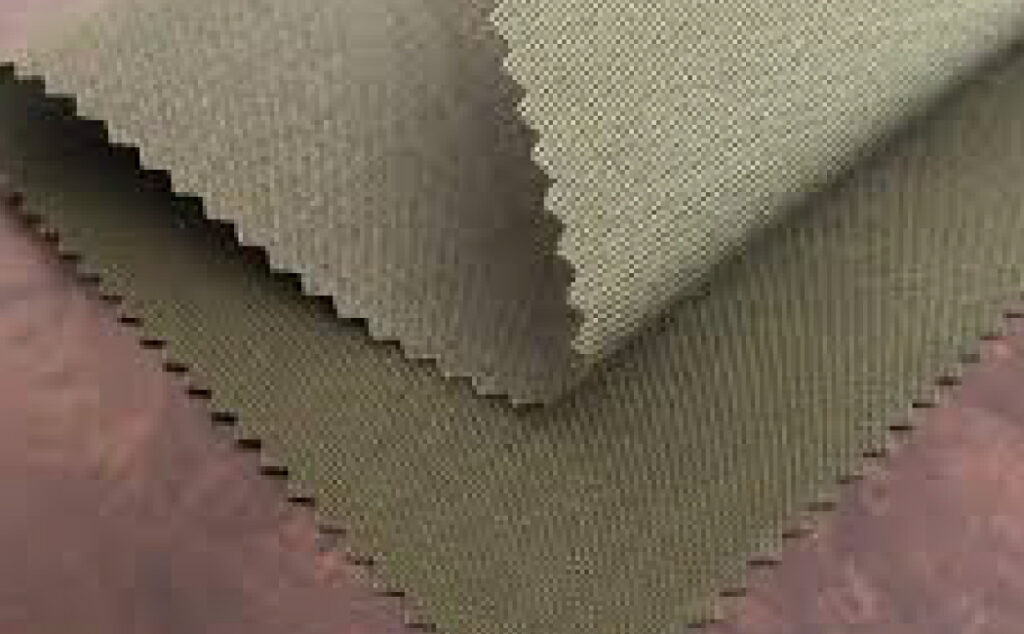
Nylon is a durable, man-made, synthetic material made from polyamides, which are derived from petroleum-based chemicals. Its properties, including smooth texture, light weight, and durability, make it an ideal choice for backpacks.
Pros
- It has high tensile strength, which means it resists ripping even under heavy load.
- It is lightweight, especially in lower deniers, which keeps the overall backpack easy to carry.
- It accepts coatings like polyurethane (PU) or silicone very well, which makes it water-resistant.
- It is abrasion-resistant in higher deniers, ideal for everyday use and outdoor gear.
- It dyes deeply, giving rich and lasting colors.
Cons
- Nylon has poor UV resistance and can weaken or fade if left in direct sunlight for long periods.
- It absorbs more water than polyester unless properly coated.
- It can stretch slightly under heavy weight.
Ballistic Nylon
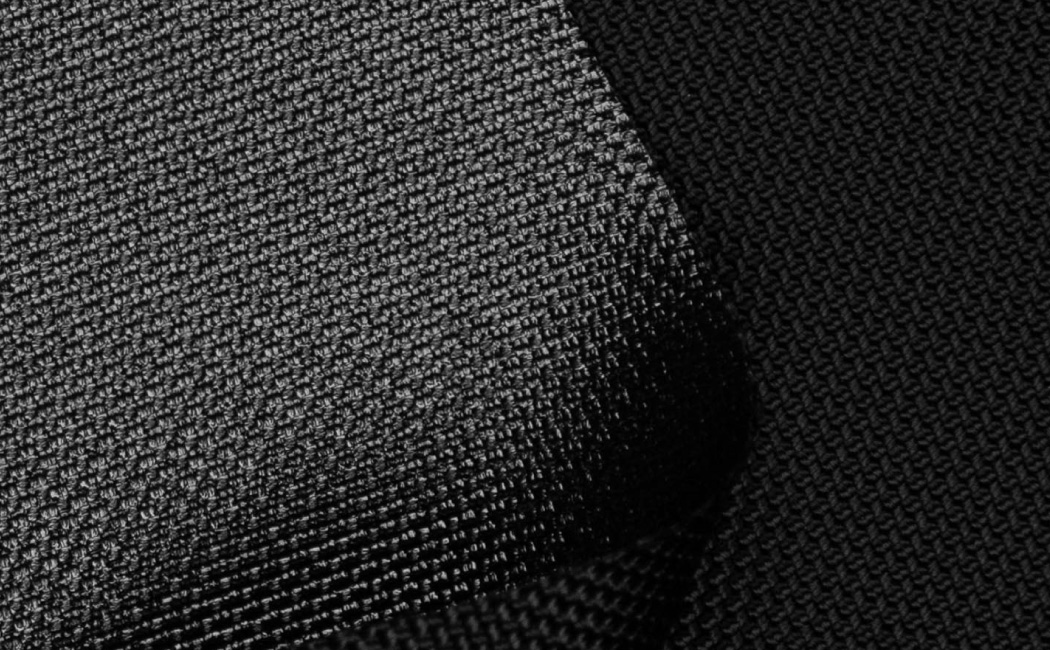
Ballistic nylon was originally developed for military use during World War II. It uses a tight basketweave with high-denier yarns, which gives it exceptional toughness and tear resistance.
Pros
- Ballistic nylon is a strong fabric that can withstand harsh conditions, making it extremely durable for backpacks.
- The dense weave gives it strong tear resistance.
- It has a smooth, slightly shiny finish that looks premium.
Cons
- It is heavier than other nylon variants, which adds weight to the backpack.
- It feels stiff at first and takes time to soften with use.
- It does not accept water-proof coatings as easily as plain weave nylon.
Polyester
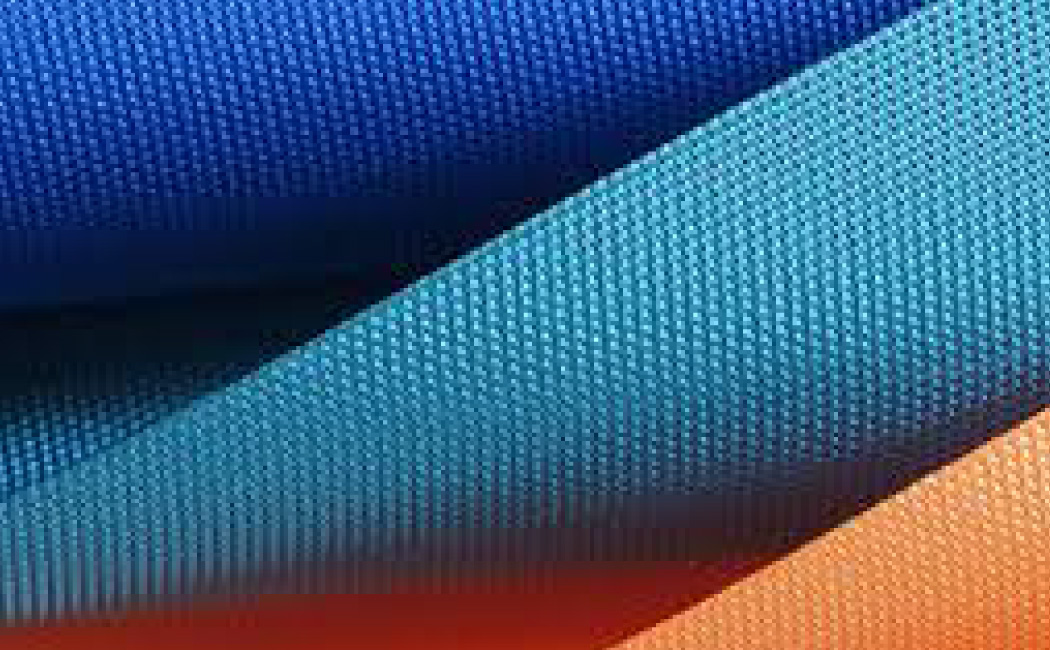
Polyester is a synthetic fabric made from PET plastic polymers that are spun into fibers. It is a well-known material for backpacks recognized for its moisture resistance, durability, and resilience.
Pros
- It has excellent UV resistance, which makes it ideal for backpacks exposed to sunlight for long hours.
- It resists stretching, shrinking, and mildew.
- It is naturally water repellent and dries fast.
- It is more affordable than nylon at the same denier.
- Recycled versions, often called rPET, are widely available for eco-friendly backpacks.
Cons
- Polyester can be a reasonable choice for backpacks if the material quality is perfect. It is achievable if the material is sourced from expert backpack manufacturers.
- It is non-biodegradable, which raises environmental concerns even with recycled options.
- Cheaper polyester can pill or fray over time.
Polypropylene
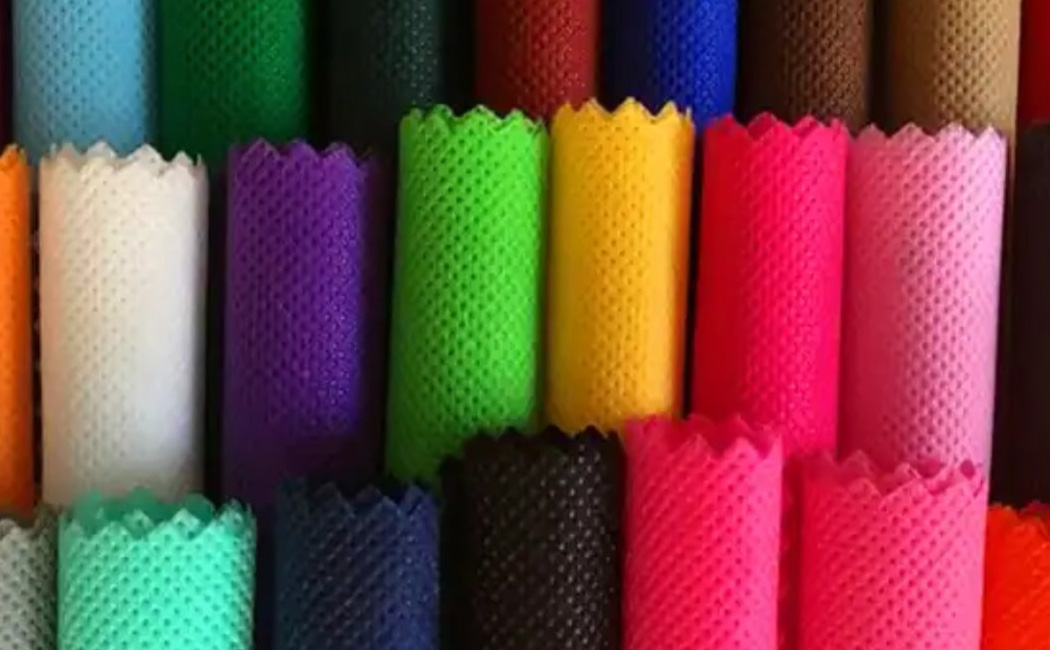
Polypropylene is a thermoplastic polymer known for chemical resistance and very low density. It is not common in mainstream backpack designs, but it has its place in industrial and specialized applications.
Pros
- Polypropylene is an exceptional material with high tear resistance, making it a great choice for backpacks that undergo rough and tough usage.
- It can resist several chemicals, which makes it suitable for industrial backpacks.
- It is a lightweight material. However, it is heavier than polyester and nylon.
Cons
- The texture of polypropylene feels a bit stiff. It is not as comfortable as some other fabrics.
- It has poor UV resistance and breaks down faster in sunlight without stabilizers.
- It does not take dye well, which limits the look of the backpack.
- It has lower abrasion resistance compared to nylon.
Canvas
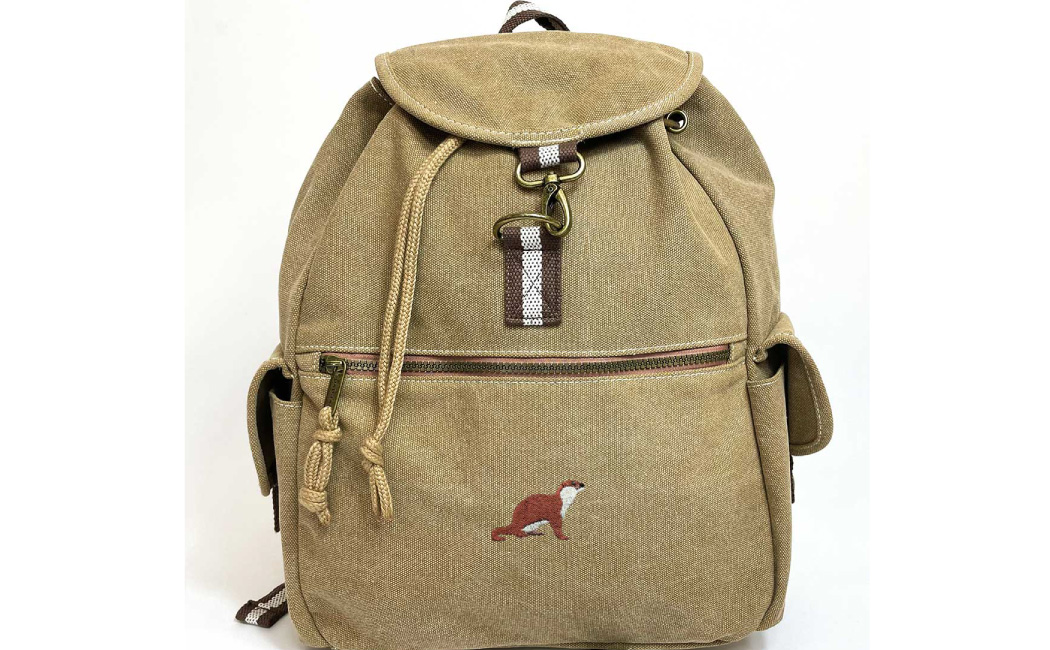
Canvas has been used for sturdy bags for centuries. It is a heavy plain weave fabric, traditionally made from cotton. Many heritage and fashion-driven backpacks still rely on canvas for its classic appeal.
Pros
- Canvas is a durable fabric that holds up well for a longer period of time.
- It has strong abrasion resistance.
- Its appearance is timeless. Many brands use it for its vintage appeal.
- It is biodegradable when made from pure cotton, which makes it environmentally friendly.
- It softens and gains character over time.
Cons:
- It is heavier than most synthetic fabrics.
- Untreated canvas absorbs water easily, and even waxed canvas is not fully waterproof.
- It feels stiff when new and needs a break-in period.
- It can develop mildew if stored damp.
Ripstop
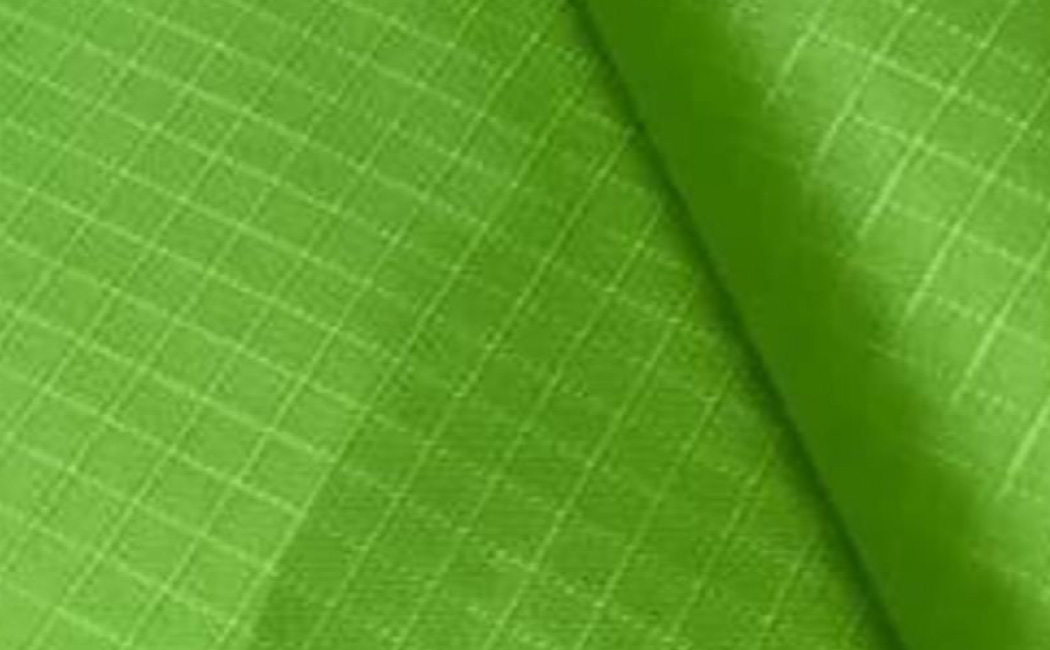
Ripstop is a specially woven fabric created to withstand ripping. It features a grid-like pattern that is accomplished by weaving threads at regular intervals, which stops the tearing from spreading. Ripstop is usually made from fabrics like polyester and nylon. It is ideal for backpacks, outdoor gear, and sports equipment.
Pros
- It offers excellent tear resistance for its weight.
- It is lightweight, which makes it perfect for ultralight hiking packs.
- It is available in both nylon and polyester base fabrics.
- The grid pattern gives it a distinct, technical look.
Cons
- It is more expensive than plain weave fabrics of the same fiber.
- The grid texture can feel slightly rough.
- Tear resistance does not always mean abrasion resistance, so it can still wear thin over time.
Cordura
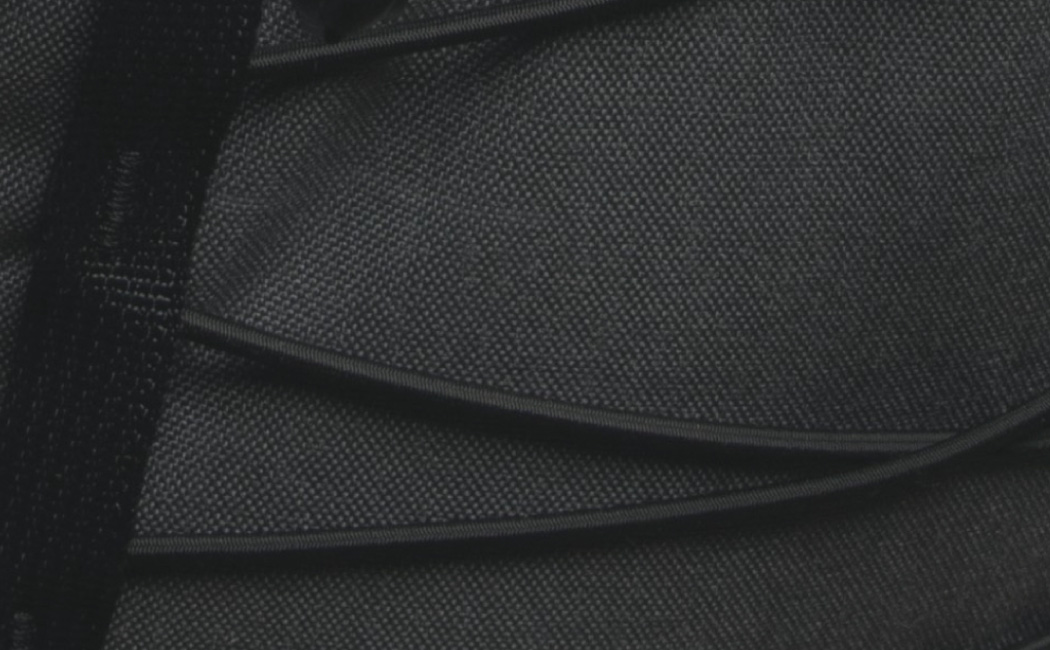
Cordura is not a fiber. It is a brand owned by Invista that covers a family of high tenacity fabrics, mostly nylon-based. Cordura 1000D is the industry standard for heavy-duty backpacks, while 500D is used in more daily oriented packs.
Pros
Cordura fabrics are the toughest fabrics due to their durability and resistance against abrasions and tears.
- It is one of the most durable backpack fabrics on the market.
- It has excellent abrasion and tear resistance.
- It is available in many deniers and weaves, including ripstop versions.
- It is trusted by military, outdoor, and luggage brands worldwide.
Cons
- It comes at a premium price.
- It is heavier than non-branded fabrics at the same denier.
- It is not waterproof on its own and needs a PU or DWR coating.
| Material | Typical Denier | Weight | Durability | Water Resistance | Best For |
| Nylon | 210D to 1000D | Light to Medium | High | Medium with PU coating | Hiking, commute, travel |
| Ballistic Nylon | 840D to 1680D | Heavy | Very High | Medium | Premium luggage, tactical |
| Polyester | 300D to 900D | Light to Medium | Medium | Medium to High | School, budget, sun exposure |
| Polypropylene | 200D to 600D | Very Light | Low to Medium | High | Industrial, single use |
| Canvas | 10 to 18 oz/yd² | Heavy | High when treated | Low to Medium when waxed | Heritage, fashion, photo |
| Ripstop | 30D to 420D | Very Light | High tear resistance | Medium | Ultralight hiking |
| Cordura | 500D to 1000D | Medium to Heavy | Very High | Medium when coated | Tactical, expedition |
How to Choose the Right Backpack Material
The best material depends entirely on how you plan to use the backpack.
- For daily commute, a 600D polyester or 420D nylon with PU coating is more than enough. It is affordable, durable, and dries quickly.
- For hiking and trekking, ripstop nylon between 210D and 420D with a DWR finish is ideal. It is light, tough, and sheds water well.
- For travel and luggage, 1000D Cordura or ballistic nylon is worth the investment because it handles airport handling and long trips with ease.
- For school, 600D polyester is a smart and economical choice. It is sun-stable and easy to replace.
- For tactical or industrial work, 1000D Cordura with a strong PU coating is the way to go.
- For eco-conscious buyers, recycled polyester (rPET) or recycled nylon (Econyl) is a good option. Look for certifications like bluesign or OEKO TEX.
- For style-first buyers, waxed canvas or canvas with leather trims offer a classic look that ages beautifully.
Conclusion
Choosing the right backpack material is one of the most important decisions when buying a bag that lasts. Each fabric brings its own strengths to the table, whether that is the toughness of Cordura, the lightness of ripstop, the affordability of polyester, or the timeless feel of canvas.
With a clear understanding of the materials, their pros and cons, and the small details like denier and coatings, you can confidently pick a backpack that matches your lifestyle and lasts the long run.