

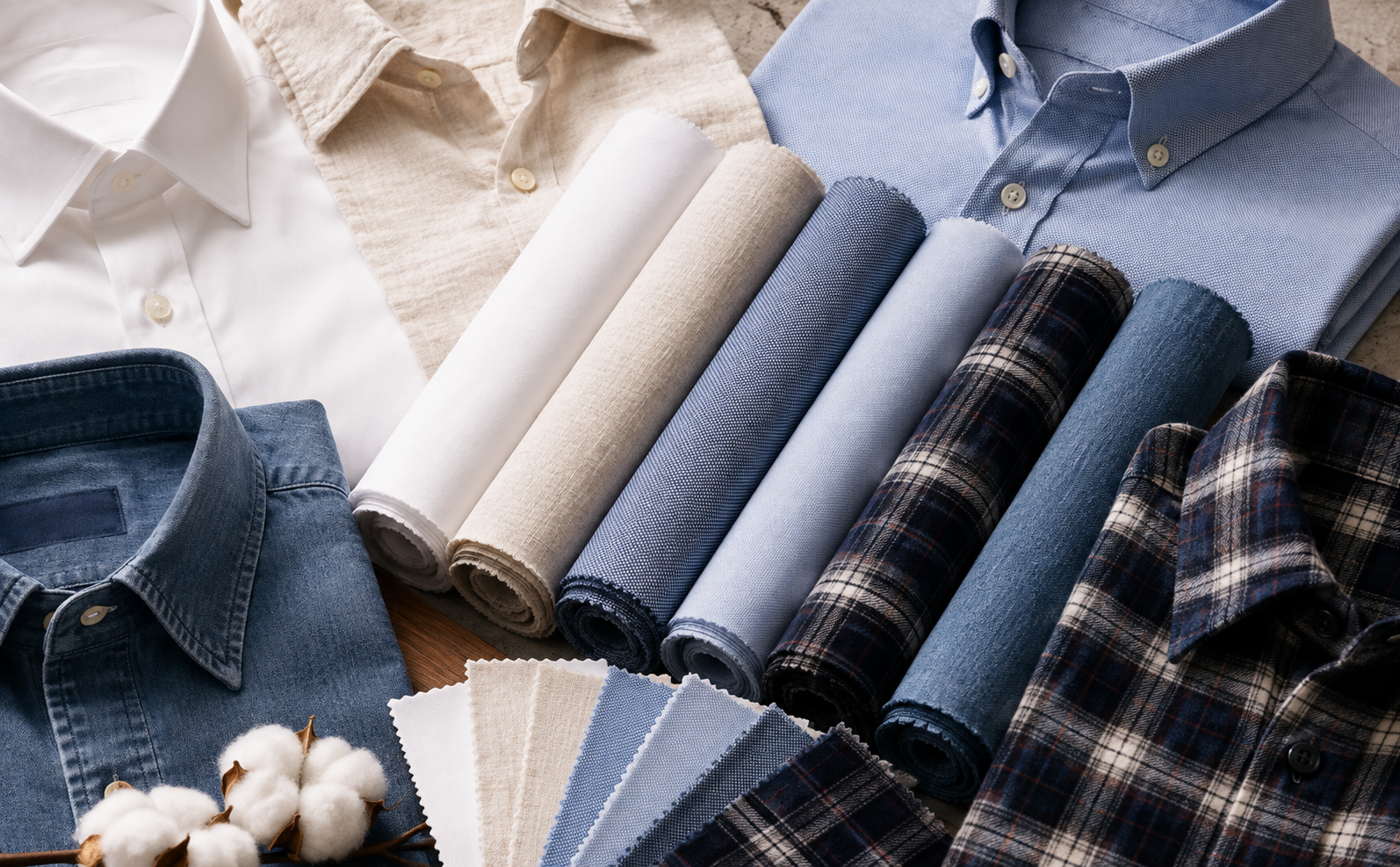
Dress shirts and t-shirts are the essentials of a wardrobe. Starting a clothing line or filling up your cupboards with high-quality shirts requires extensive knowledge about shirt materials. A plethora of different types of fabric are present in the textile industry, but knowing which ones are the best to create shirts is the real deal.
Understanding the materials is important since they give shirts outstanding properties like durability, comfort, texture, breathability, warmth, and many other characteristics.
This article will satisfy your curiosity about threads, fabric blends, and ideal shirt materials, especially if you are an entrepreneur aiming to meet customers’ high expectations for quality shirts. One thing is for sure: after reading this comprehensive guide, you will be able to identify the fabrics and their prominence in quality shirts.
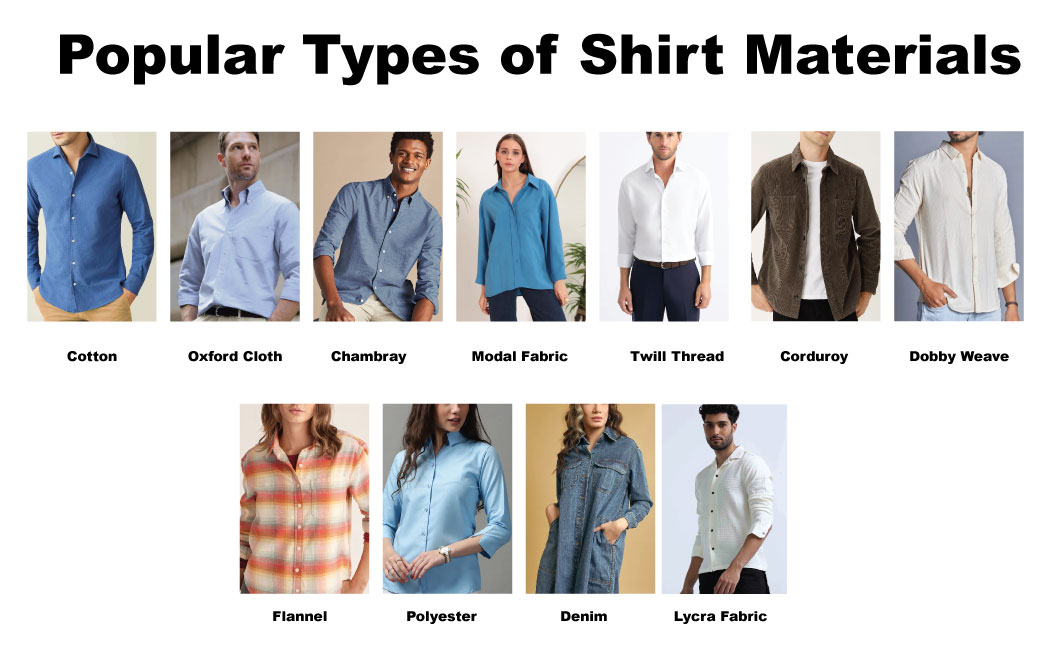
Different Popular Types of Shirt Materials With Images
1. Cotton
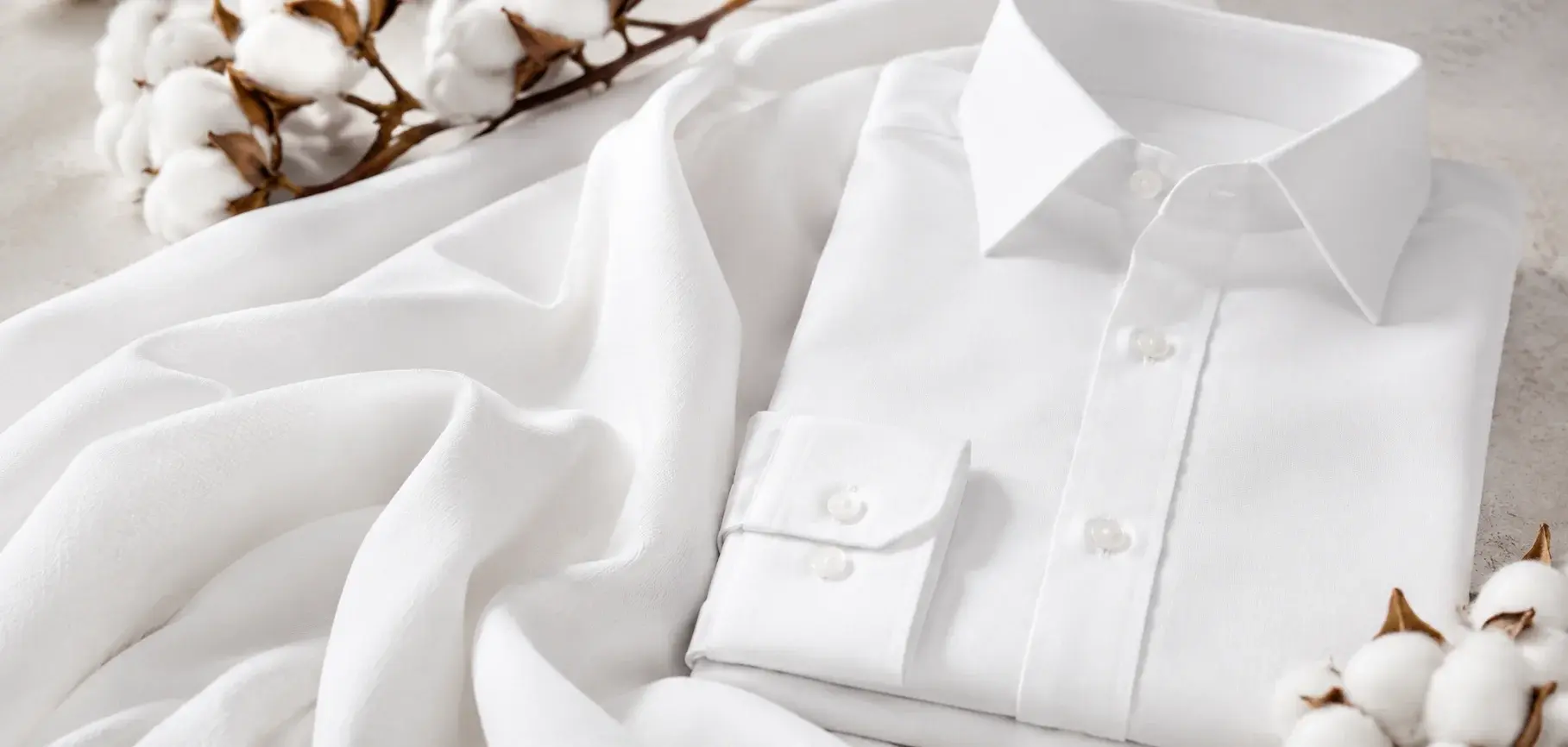
Cotton is a natural plant-based fiber admired for softness, breathability, versatility, and absorbency. It is often suitable for people who prefer natural, soft, and breathable fibers.
Cotton is an obvious choice for shirts due to its impressive traits in the textile industry. Firstly, it is a popular material for being inexpensive, easily available, comfortable, breathable, and easy to maintain. For clothing lines looking for shirts made with popular materials, they must consider cotton fabric for their stores.
Pros
- Breathable
- Affordable
- Low-maintenance
- Durable
Cons
- Shrinks Easily
- Absorbent
- Lacks Elasticity
Types of Cotton
Ringspun Cotton: Ringspun cotton fibers are tightly twisted to make the material’s surface soft and smooth for printing.
Combed Cotton: The combing process removes the impurities or short-sized fibers to make the fabric soft, pure, durable, and smooth.
Airlume Cotton: Airlume cotton is an outcome of the ringspun and combed cotton processing methods, which focus on fiber consistency and purity. This process gives it a smooth and soft texture.
Organic Cotton: Organic cotton is eco-friendly and free of harmful substances and pesticides. It is good for sensitive skin.
Pima Cotton: Pima cotton is an extra-long-staple cotton known for its strength, softness, feel, and smooth appearance.
Supima Cotton: Supima® is a trademark brand for extra-long-staple Pima cotton that grows in America. It features longer fibers, resulting in properties including color retention, softness, durability, and resistance to pilling.
2. Oxford Cloth
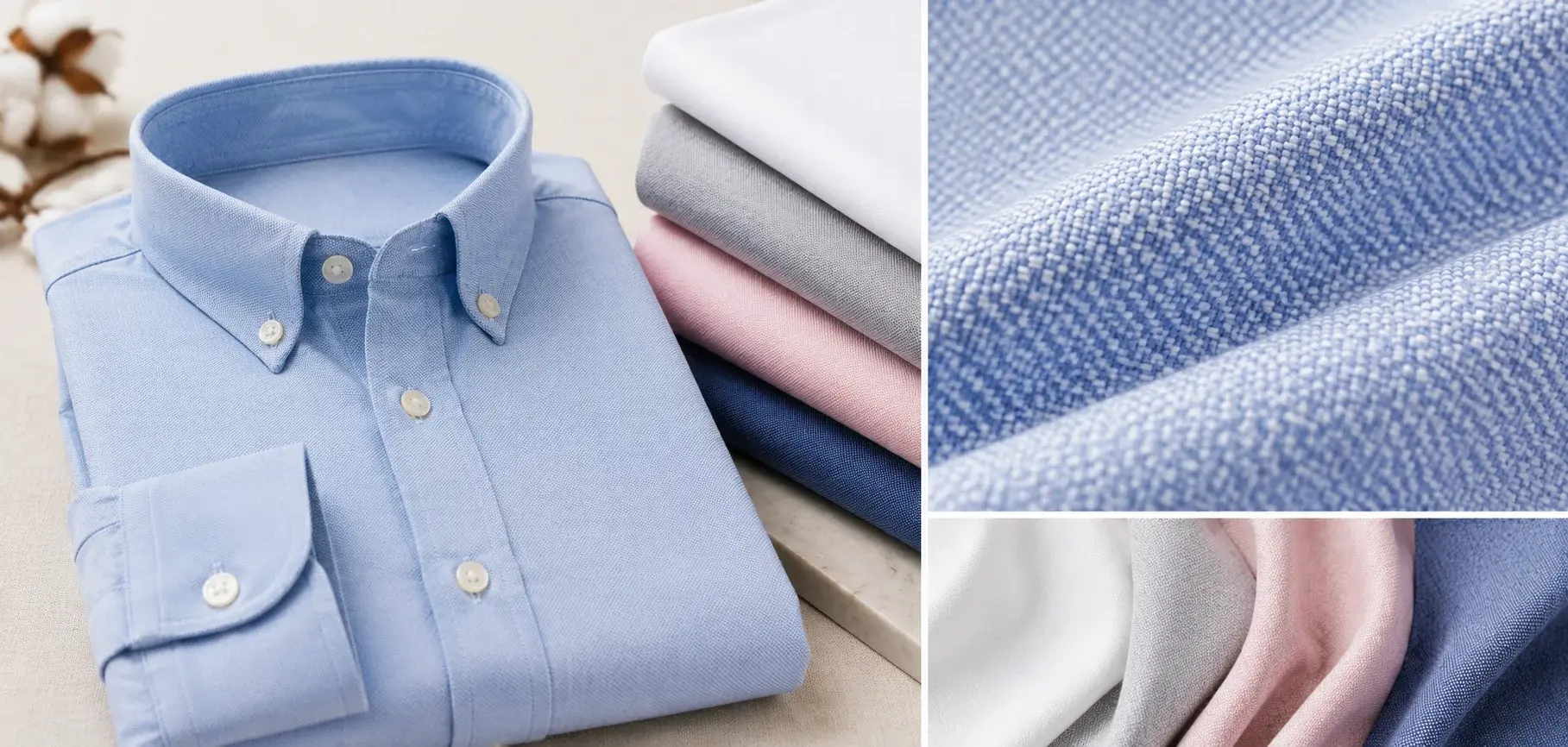
Oxford cloth has a basketweave texture, which makes it a unique fabric. It is wrinkle-resistant and highly durable. However, it can still develop wrinkles depending on its care, construction, and fiber content. The fabric is suitable for both formal and casual settings. Since it doesn’t crumple, you can wear it without worrying about any wrinkles.
Pros
- Wrinkle-resistant
- Long Lasting
Cons
- Limited Color Options.
3. Chambray
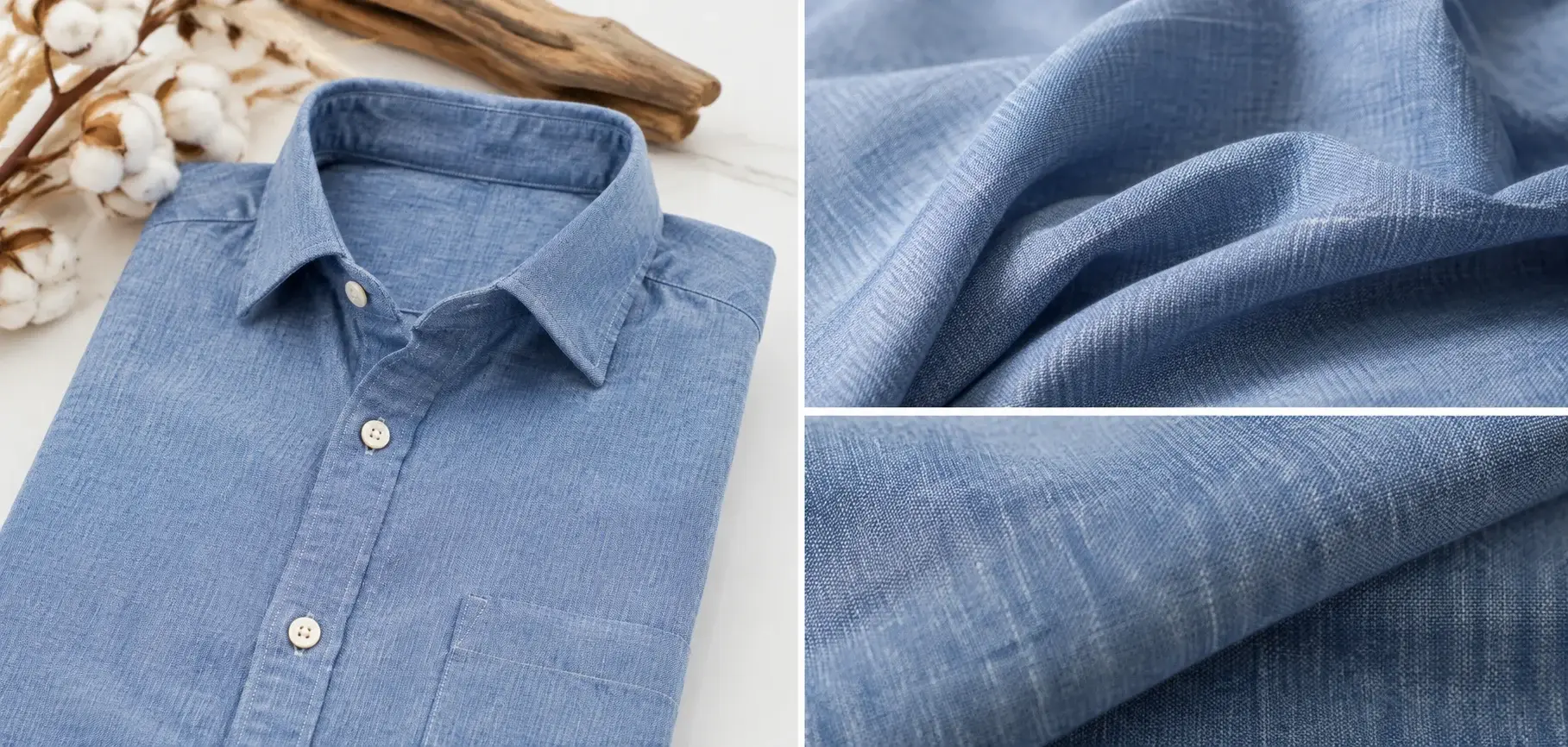
Chambray is a denim-like material because it appears as denim but has different texture and characteristics. It is composed of colored warp and white weft that results in a mottled appearance. This fabric has a high thread count, making it finely weaved. Shirts made of chambray are very classy and stylish. They are suitable for casual and semi-formal gatherings.
Pros
- Eco-Friendly
- Sustainable
- Easy Care
- Durable
- Comfortable
Cons
- Prone to Wrinkles
Types of Chambray Fabric
There are three types of chambray:
Chambray
It is a term used for woven materials that are produced using the traditional weaving method.
Cambric
Cambric is a variation of chambray but lighter and smoother. The weave of both fabrics is similar.
Batiste
The word “batiste” emanated from “baptiste,” the surname of the first weaver who made the chambray fabric. It is a semi-sheer plain-weave fabric used to make lingerie, bedding, and lightweight clothes.
4. Denim
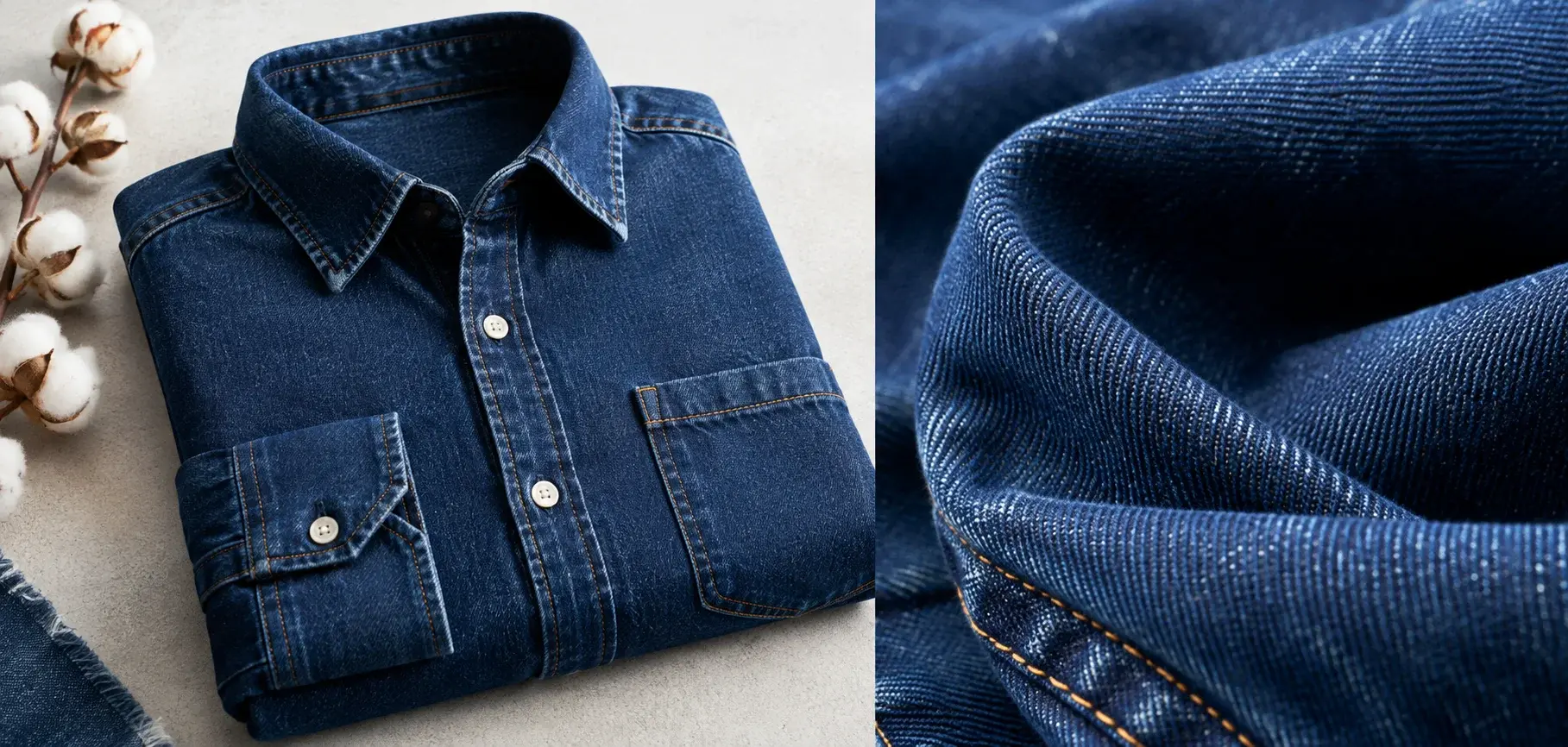
Denim is a twill fabric, but we know it as the material of our jeans and pants. However, denim shirts are also very popular due to their good texture and soft feel. Denim shirts come in many forms, and they usually have different colors inside and outside.
Pros
- Wrinkle free appearance
- Durabe
Cons
- Uncomfortable for summer
- Low elasticity
- Hard to was
5. Modal Fabric
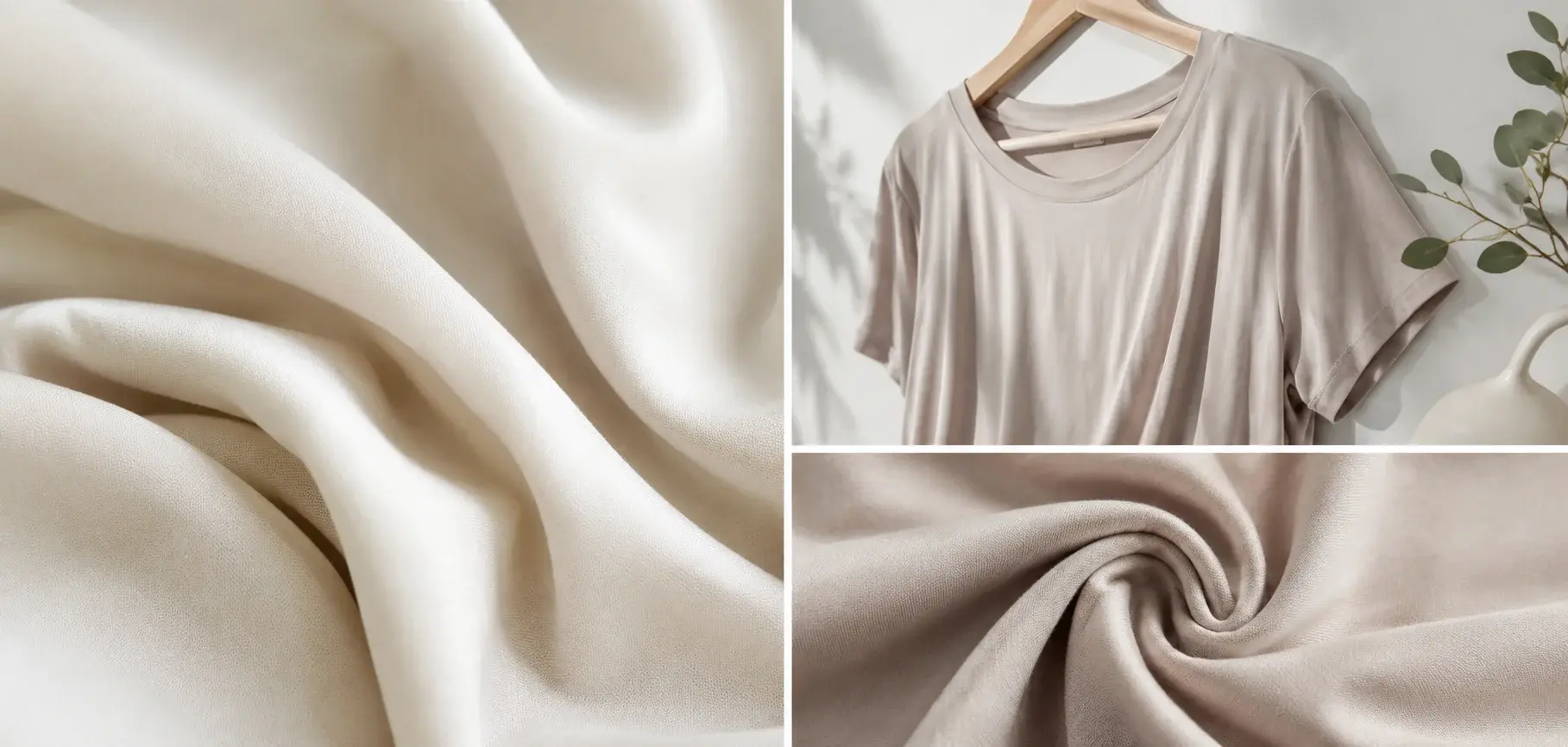
Modal fabric is a variation of rayon. It is made of beech tree fibers. This fabric is popular for its draping traits and smooth texture. Modal is ideal for t-shirts when it is blended with other materials, like cotton or synthetic fabrics.
Pros
- Soft
- Breathable
- Drapes well
- Eco-Friendly
- Durable
Cons
- Costly
- Shrinks
- Wrinkles
6. Lycra Fabric
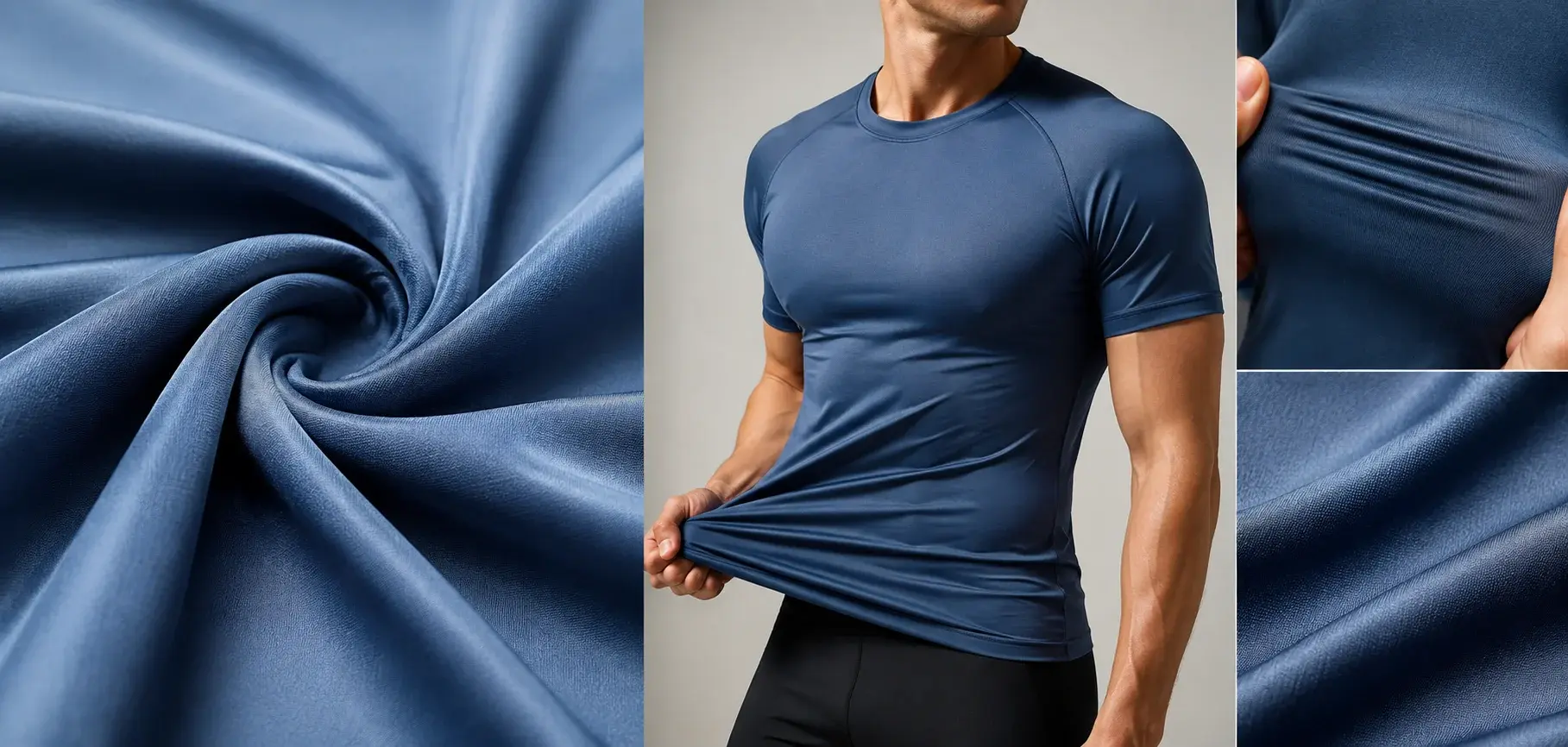
Lycra is a very suitable t-shirt fabric that is also known as spandex and elastane. It is popular for its stretchability and shape retention. Elastane is one of the popular shirt materials used for fitness t-shirts. It is used in gym shirts that are flexible and durable.
Pros
- Durability
- Shape Retention
- Good Stretch Quality
Cons
- Uncomfortable due to heat retention
- Moisture Retention
7. Twill Thread
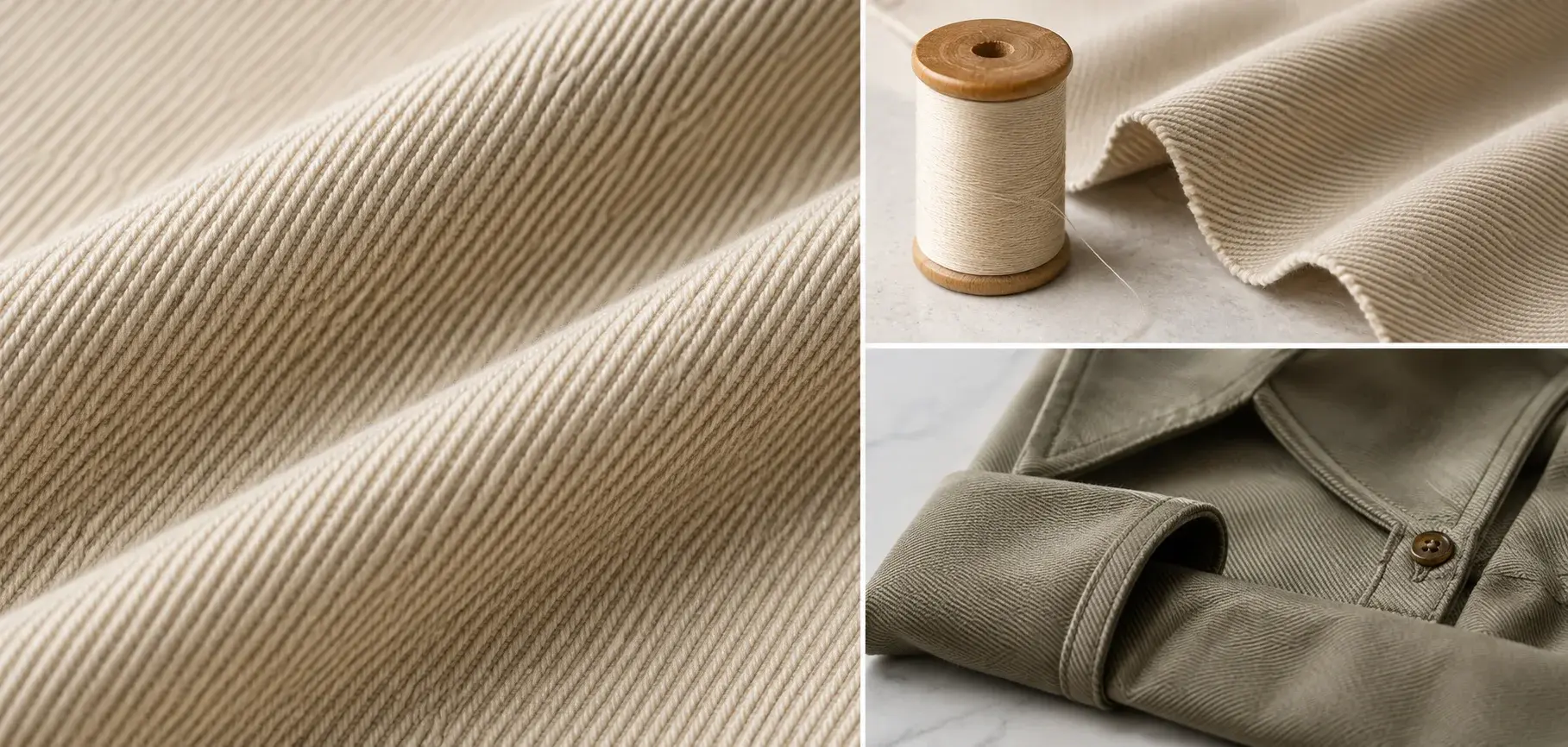
Twill is made of cotton or cotton blends, which makes its texture very smooth. Twill shirts feature a certain weave formed by interlacing the threads in a way to create a diagonal rib or twill line. The weave creates a diagonal pattern on the fabric.
Pros
- Breathable
- Soft
- Drapes Well
Cons
- Expensive
- Limited Stretch
8. Corduroy
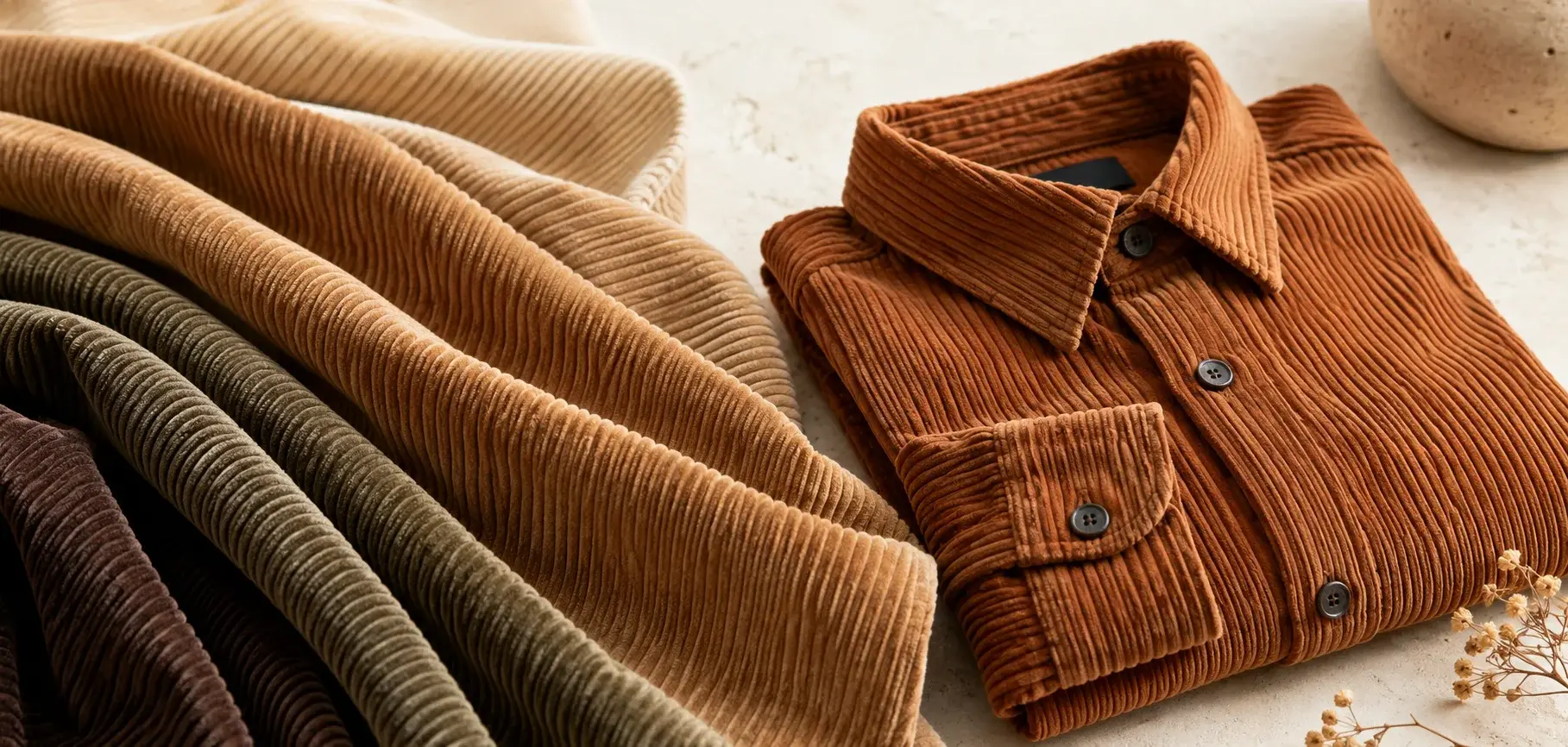
Corduroy is woven with vertical cords, giving the fabric an outstanding look and feel. Its texture and durability are the main reasons behind its popularity. Like twill, corduroy is also made of cotton or cotton blends, making the fabric soft and smooth.
Corduroy is a warm material, and the shirts made from this fabric are good for winter or cold weather conditions.
Pros
- Warm
- Comfortable
- Durable
Cons
- Hard to Clean
- High-Maintenance
9. Dobby Weave
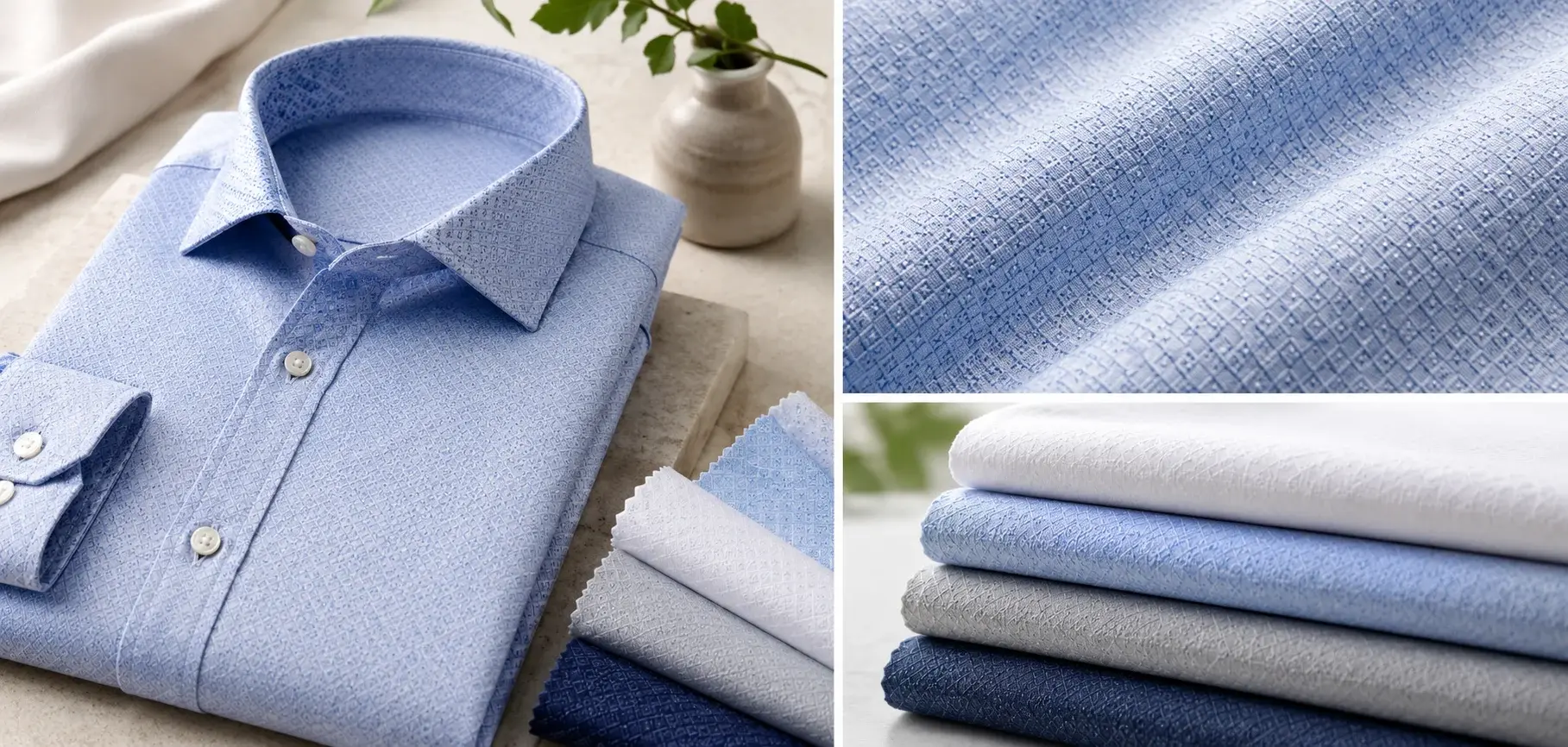
Dobby weave is a special fabric ideal for dobby dress shirts. It is special because of its ability to form geometric patterns within the material. This fabric also features a composition of silk and cotton to make the finest formal dress shirts.
Pros
- Unique
- Appealing Texture
- Comfortable
- Durable
Cons
- Expensive
- Limited colors
- High Maintenance
10. Flannel
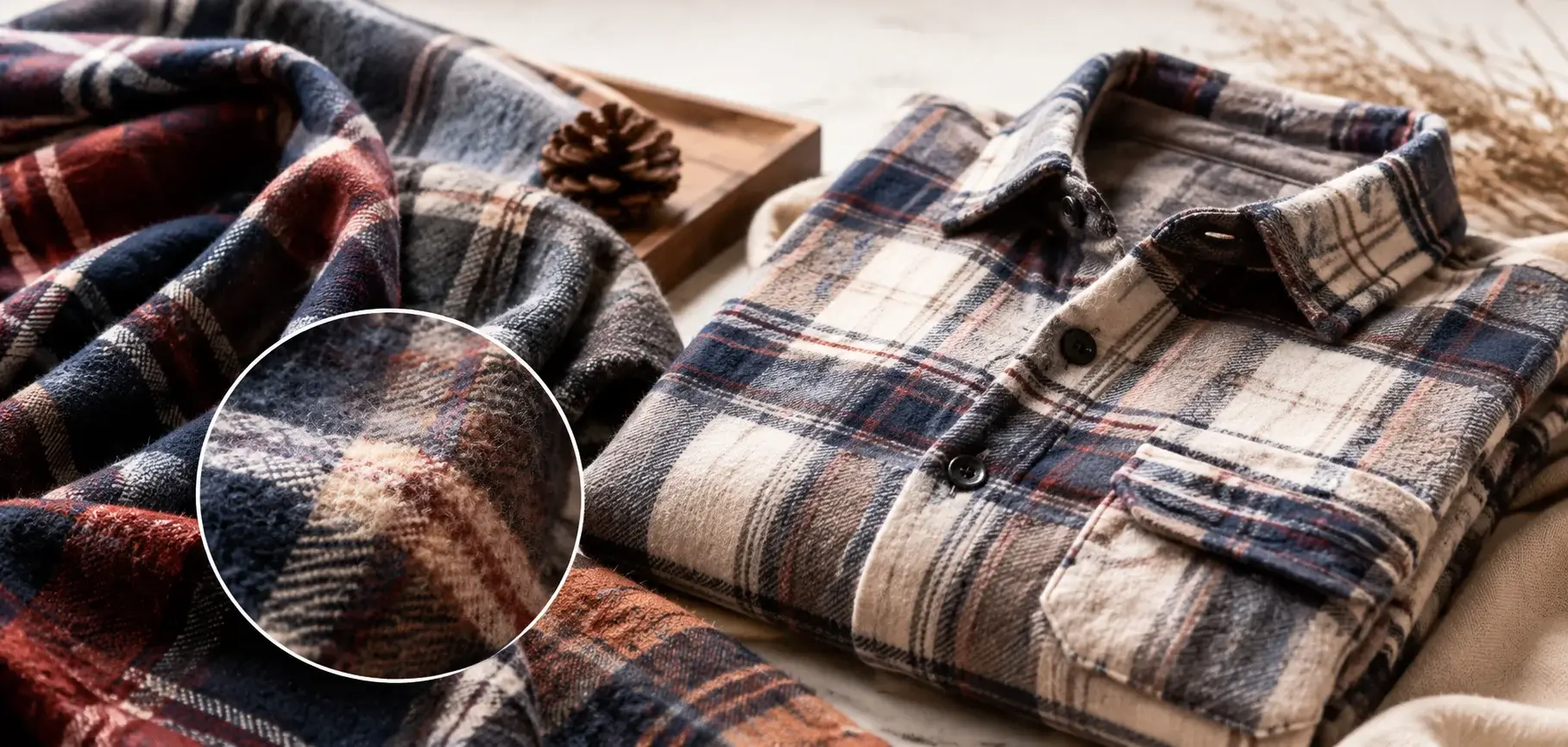
Flannel is a winter fabric because it has good insulation to keep you warm in cold weather. Its construction involves materials like synthetic fabrics, cotton, and wool. These materials are brushed to make their texture soft and cozy.
Moreover, the flannel shirts are long-lasting, making them ideal for maintaining them for a longer period of time.
Pros
- Durable
- Comfortable
- Warm
Cons
- High Maintenance
- Wrinkles
- Shrinks
11. Polyester
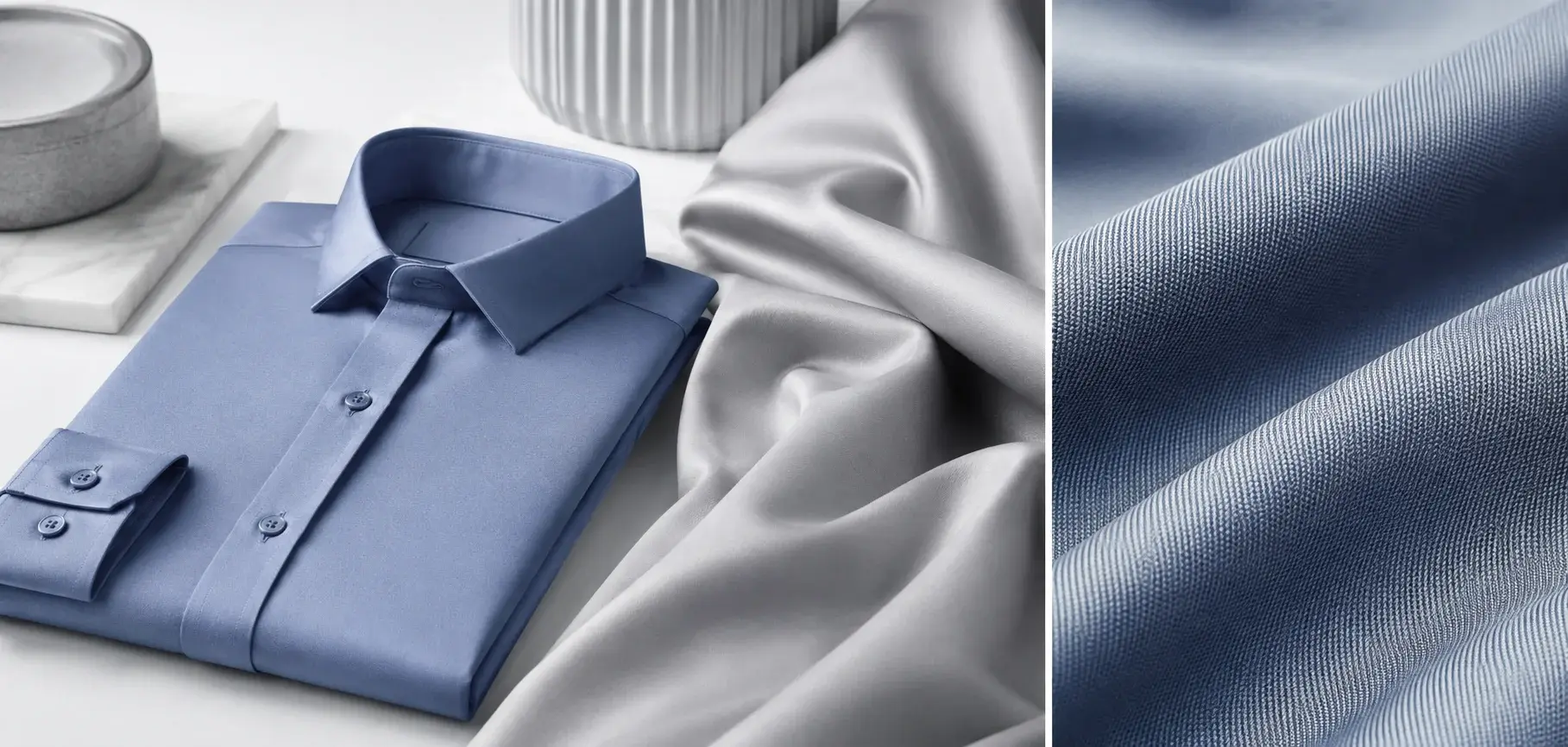
Polyester is a very common and popular fabric to make shirts and other clothing products. It is affordable and widely used for sports, casual, gym, and fashion shirts. It is also ideal for jackets, bags, tank tops, and many other clothing products.
Polyester is mostly preferable for exercises or sports due to its moisture-wicking properties and practical use.
Pros
- Wrinkle Resistance
- Easy Care
- Durable
- Affordable
Cons
- Non-Breathable
- Very Low Moisture Absorption
Popular Summer Fabric Choices
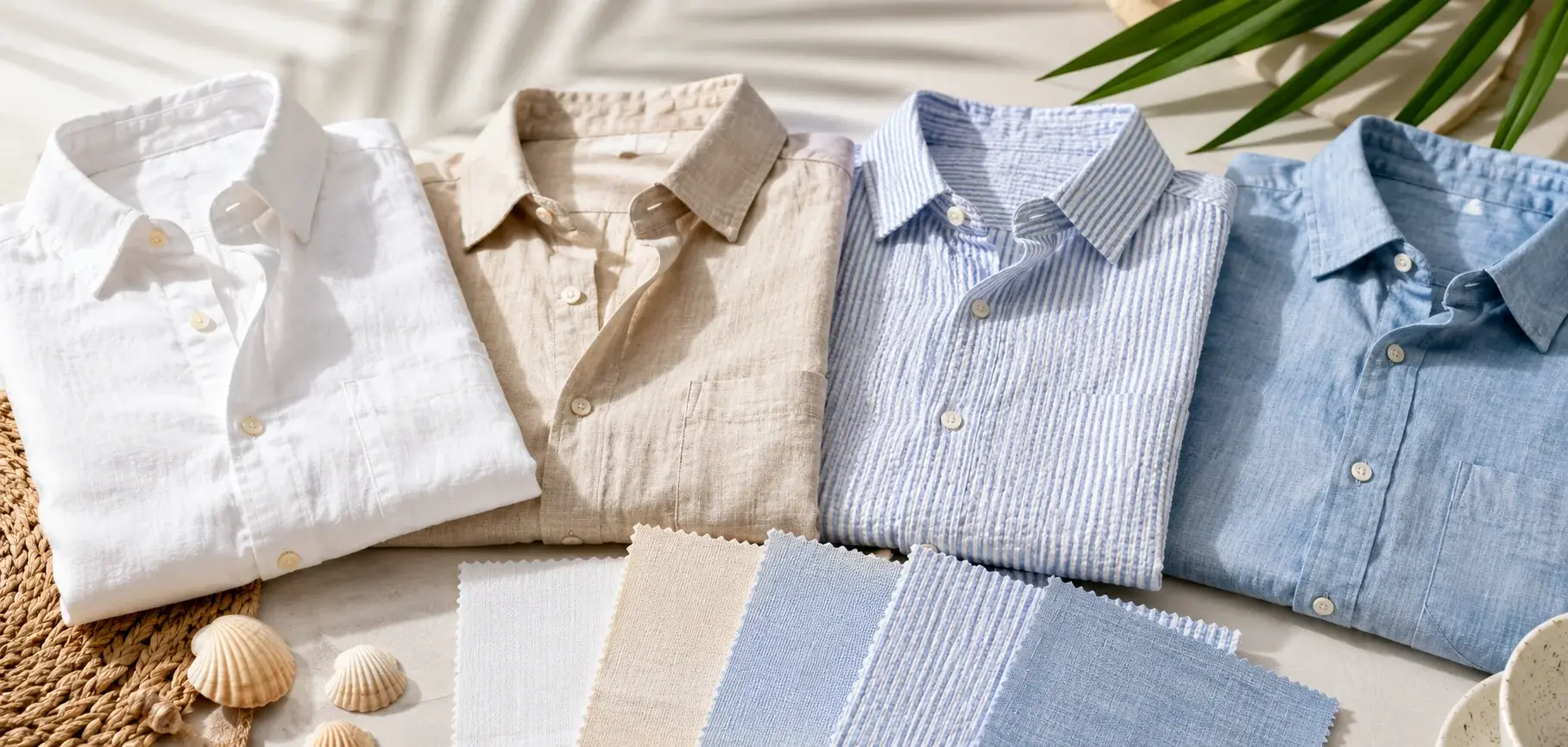
Several fabric materials are good for summer or warm weather because they are breathable and hold various properties.
Seersucker
A puckered surface keeps the material from touching your skin.
Linen
Natural cooling ability, breathable, and lightweight.
Popular Shirt Materials for Winter
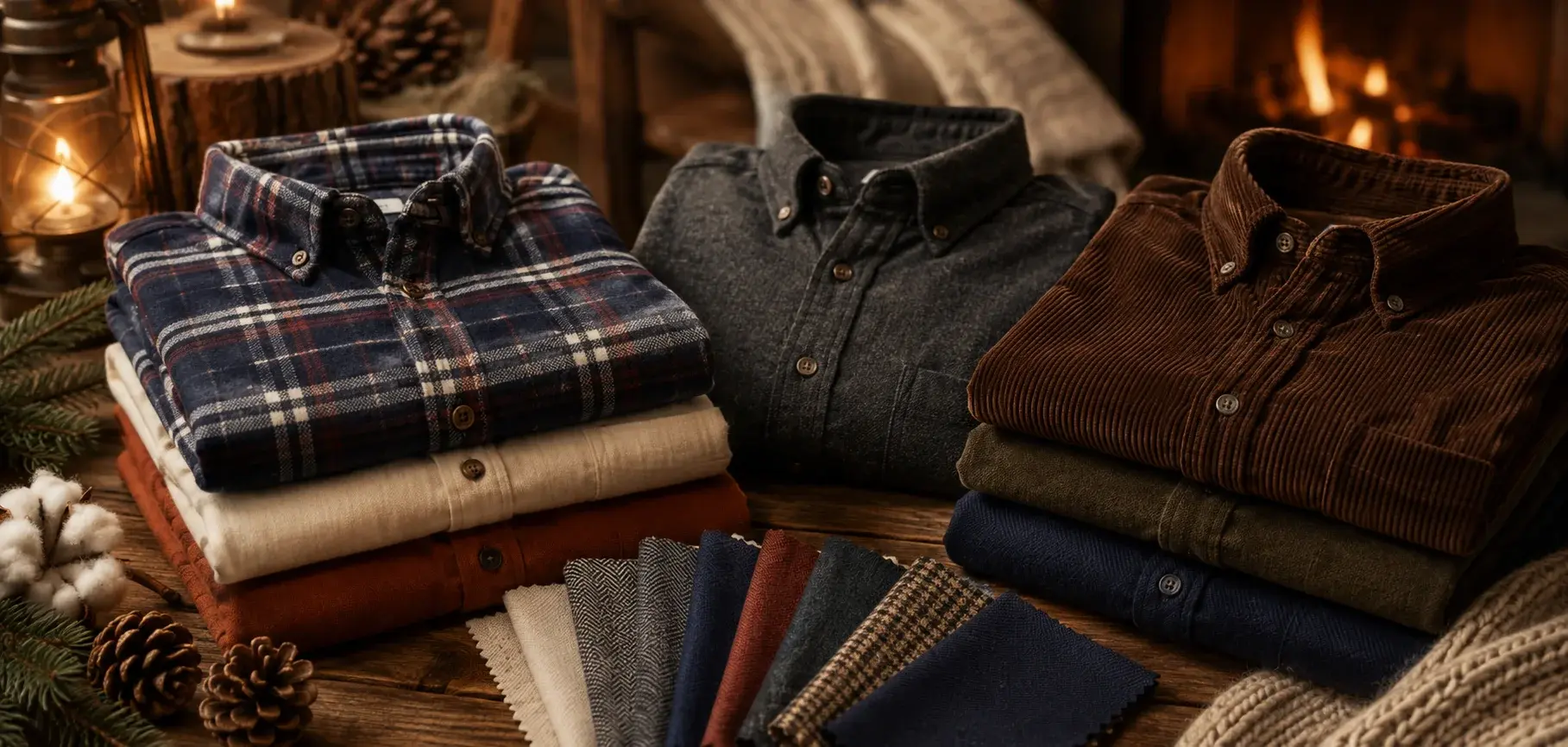
Winter shirts are made of warm fabric materials that are usually insulated and offer properties that keep the body at a good temperature in the cold.
Wool
Organic fabric, very warm, fashionable for winter shirts.
Silk
Organic, expensive but very luxurious, soft and smooth texture, high-quality, and warm.
Velvet fabric
Warm, luxurious, amazing feel, and cozy
Fleece fabric
Fashionable, comfortable, warm, good for sportswear and fashion wear.
Best Fabric Choices for Formal Meetups
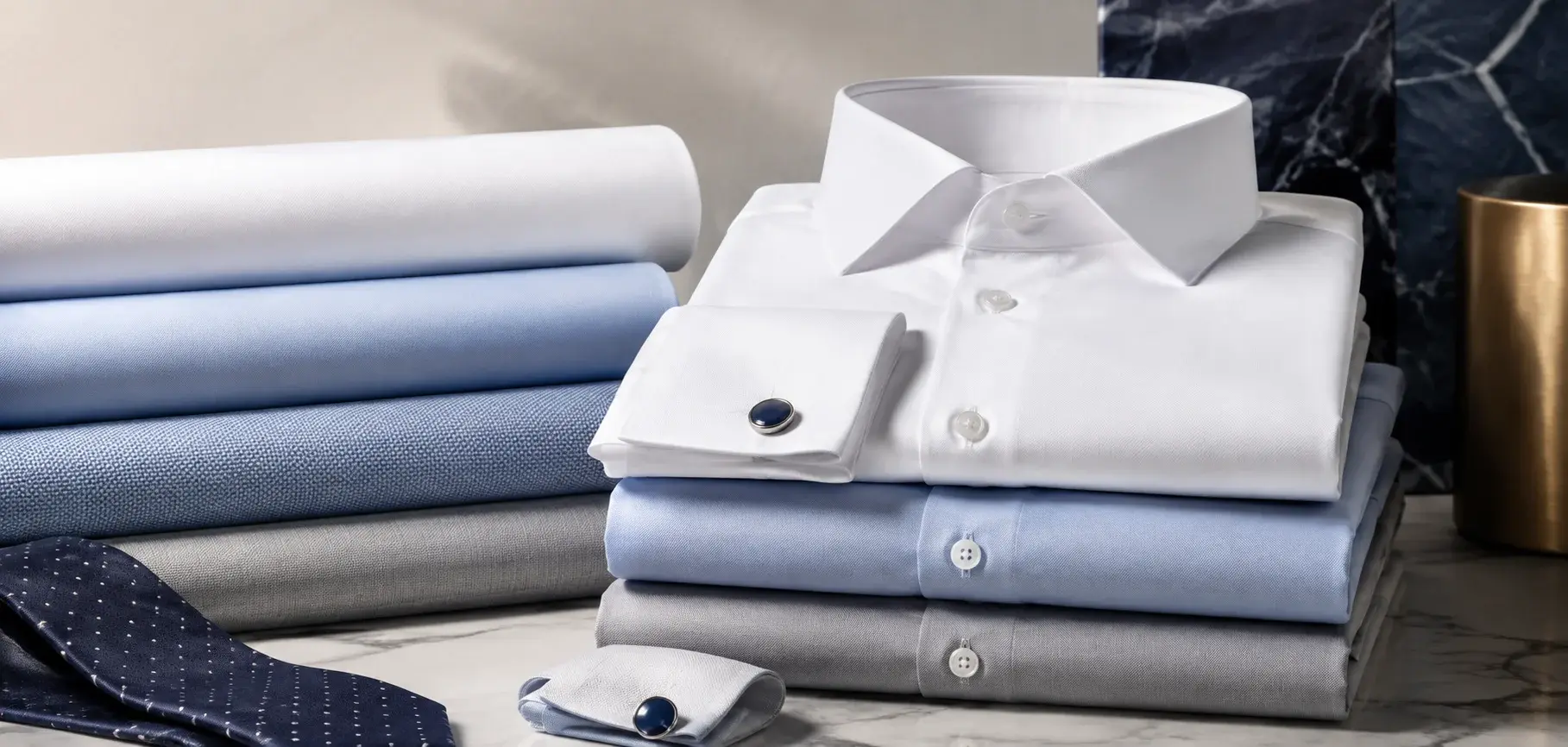
Formal shirts are highly in demand, as you can wear them at workplaces and formal events.
Poplin
Poplin shirts have a polished and fine look, are lightweight, and have a have a professional appearance.
Pinpoint
It appears to be oxford fabric with better texture, a professional feel for workplace meetings, and a sophisticated appearance.
Shirts Fabric For Casual Hangout
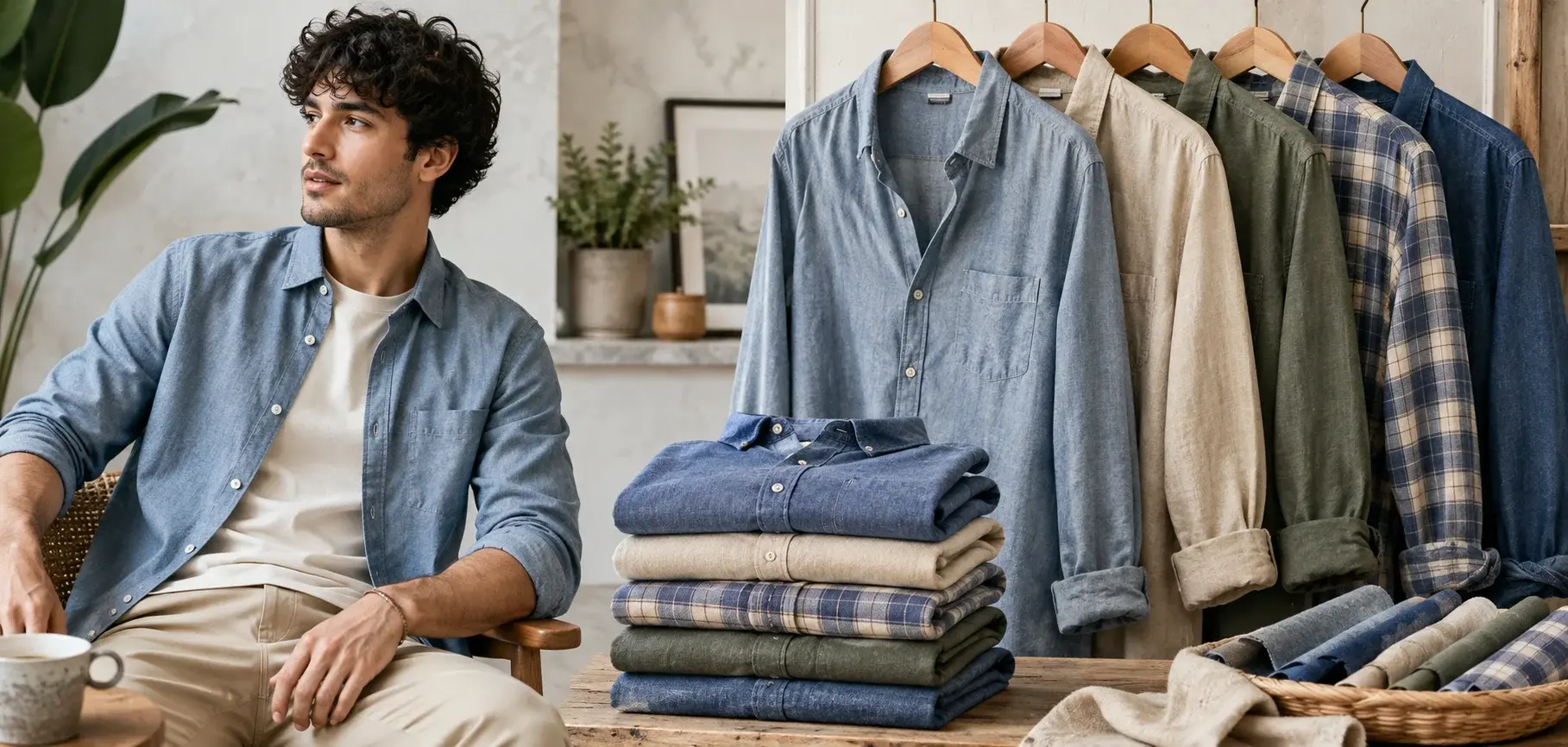
Herringbone
Very stylish V-shaped weave and highly durable.
Dobby
Geometric patterns and unique texture.
Chambray vs. Denim
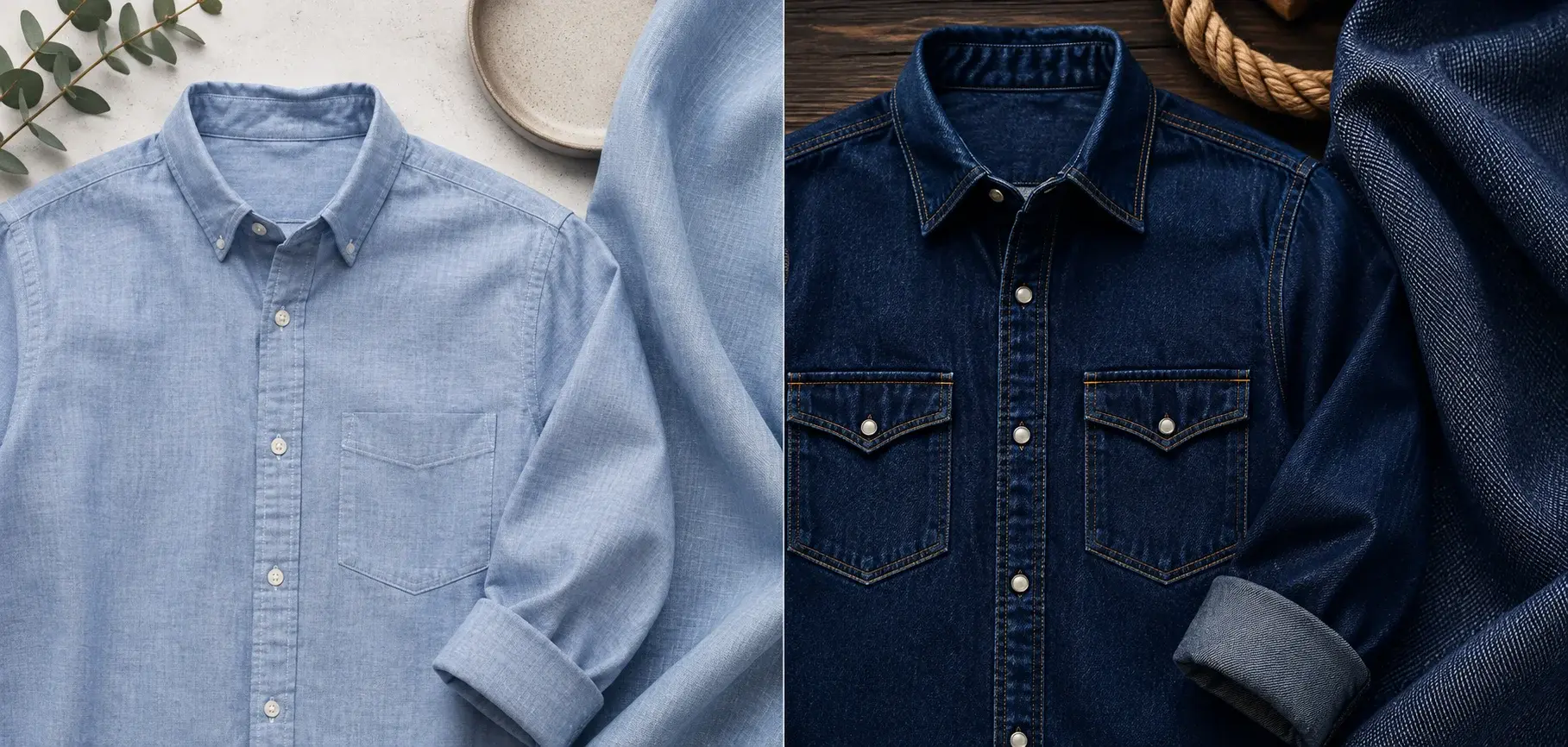
Denim and chambray are similar in appearance since both are produced with a lighter-colored weft and a colored warp. However, chambray is made with a plain weave, while traditional denim uses a twill weave. Chambray is more breathable and lightweight, making it a perfect fabric for warm weather and casual clothing.
Understanding Shirt Fabric: Fiber vs. Fabric vs. Weave
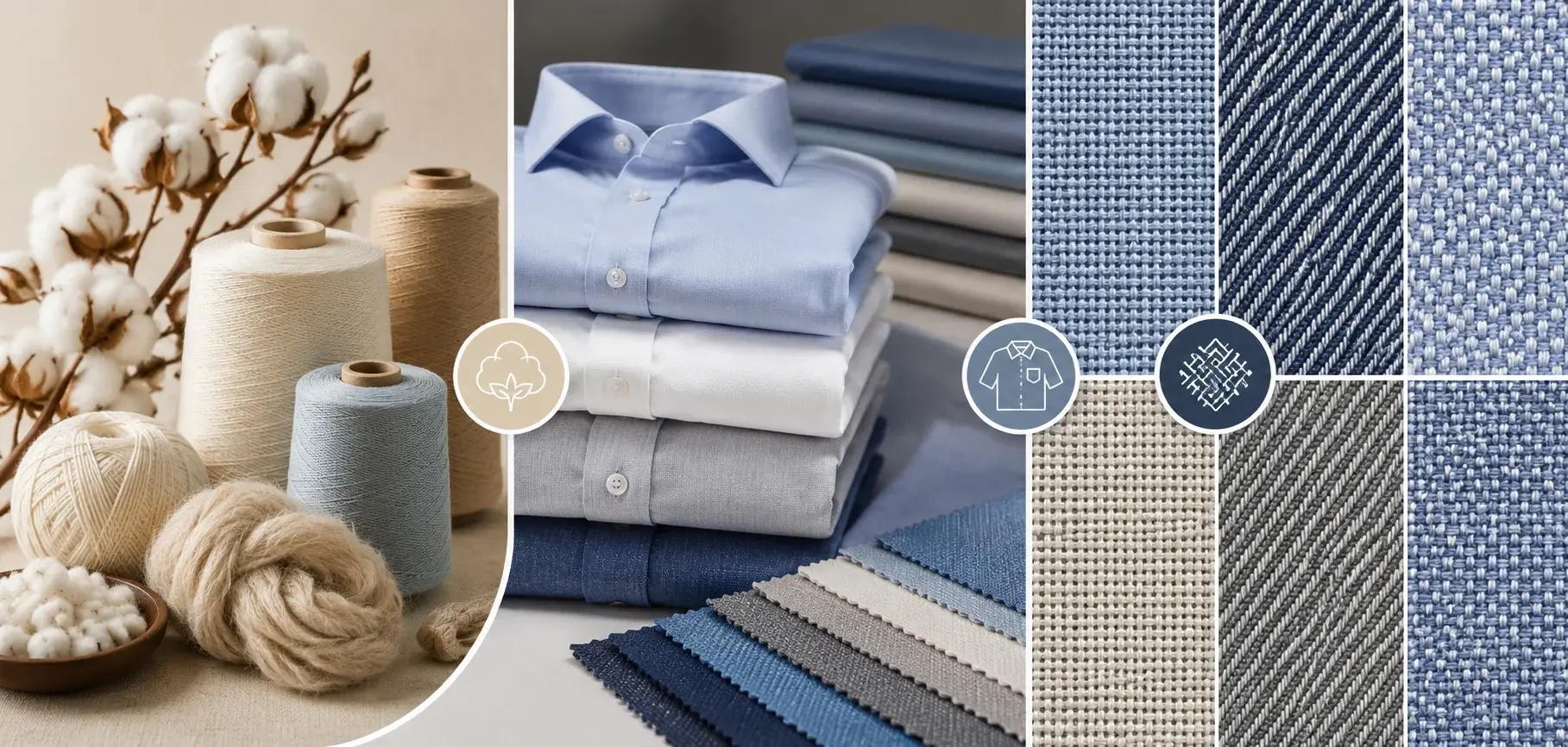
It is very important to understand the difference between fabric, fiber, and weave in order to make the right fabric selection for shirts.
Fiber
Fiber is a raw material used to make yarn, for example, polyester, cotton, elastane, and wool.
Yarn
A yarn is created by forming or spinning fibers into a continuous strand.
Fabric
A fabric is made by transforming yarns into a textile. For example, denim is a fabric made from cotton using a twill weave.
Weave
A weave describes how yarns are interlaced in woven fabrics.
It is better for clothing brands to understand the differences between them in order to choose the right materials that can offer durability, flexibility, breathability, moisture-wicking, appearance, texture, and other properties significant for intended use.
How to Choose the Right Shirt Fabric?
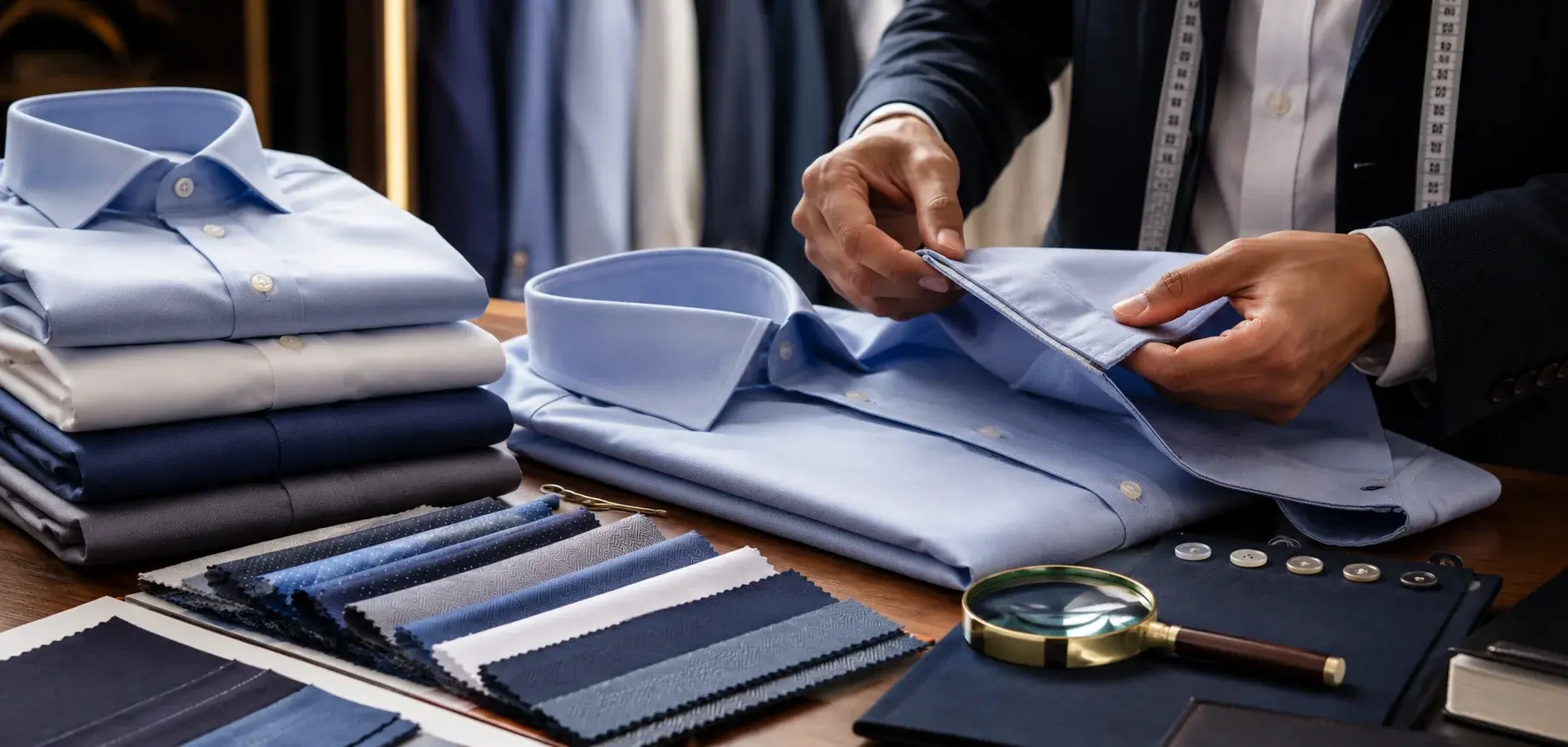
In order to choose the right fabric, consider the following factors:
Breathability: Breathability allows air to pass, which is important in the warm weather to stay cool and dry. Fabrics like linen, lightweight rayon, cotton and some engineered polyester fabrics can work well for warm-weather shirts.
Stretch: Stretch allows the garment to flex back and forth for better movement and durability. Elastane is the wise choice since it can be blended with cotton, polyester, nylon, or other fibers to improve flexibility and recovery.
Durability: Durability is actually the long-lastingness of a garment. Materials like polyester, denim, twill, and durable cotton constructions are often selected when resistance to wear is necessarily needed.
Softness: The texture and feel of the clothing products is softness. It is added for comfort in the garments. Combed cotton, modal, and certain lyocell fabrics are appreciated for their smooth and soft hand feel.
Moisture Management: Moisture control helps prevent sweat or wicks away the moisture to keep you cool and dry. Polyester and certain regenerated cellulosic fibers can be tailored or finished to manage moisture effectively.
Climate: Climate is one of the key factors to consider while choosing the right fabrics for clothing. It guides you on which garments or fabrics are suitable to keep you warm or cool, depending on the weather. Lightweight, breathable fabrics are generally more suitable for hot weather, while brushed, heavier, or insulating fabrics are ideal to keep you warm in cooler conditions.
| Shirt Material | Feel | Breathability | Stretch | Best For |
| Cotton | Soft | High | Low | T-shirts, casual shirts |
| Linen | Crispy | Very high | Low | Summer shirts |
| Oxford | Structured | Moderate | Low | Dress & casual shirts |
| Chambray | Lightweight/soft | High | Low | Casual shirts |
| Denim | Firm | Moderate | Low–moderate | Casual/work shirts |
| Modal | Soft and smooth | High | Moderate | T-shirts, lightweight shirts |
| Elastane blend | Smooth/stretchy | Depends on blend | High | Activewear, fitted shirts |
| Twill | Structured | Depends on fiber | Low–moderate | Casual/work shirts |
| Corduroy | Soft/ribbed | Moderate | Low–moderate | Cold-weather shirts |
| Flannel | Soft/brushed | Moderate | Low–moderate | Winter shirts |
| Polyester | Smooth/variable | Depends on construction | Low–moderate | Sportswear, performance shirts |
How Can You Get Quality Shirts with Excellent Fabric Materials?
Fabric is what makes a shirt high-quality. The more important thing is how a manufacturing expert creates a fine shirt with good-quality materials. Hiring a reliable and skilled t-shirt manufacturer is very important, especially for fashion labels and other clothing companies like brands, retailers, wholesalers, and small- and large-scale outlets. The reason is that the best business apparel producers understand the market and have greater knowledge of the best fabric for shirts; they have resources and advanced means of creating market-ready shirts. If you are one of the consumers or brands trying to establish and run your clothing line, you should look for skilled clothing manufacturers to carry out your clothing operations.
Why Do Perfect Materials Matter?
Every single type of shirt is distinguished by its functionality and practical uses. The shirts are not just about looks, fashion, or aesthetics. They offer much more, as the type of fabric used in a shirt determines its functionality and appropriate usage. For instance, polyester shirts are ideal for workouts in mild, cold weather but are less suitable for warm weather. Similarly, cotton shirts are more casual and free to wear on a sunny day. This is why manufacturers use different shirt material types to craft high-quality t-shirts, dress shirts, or other variations of tops. You should consider the practical use of your attire before choosing the fabric.