

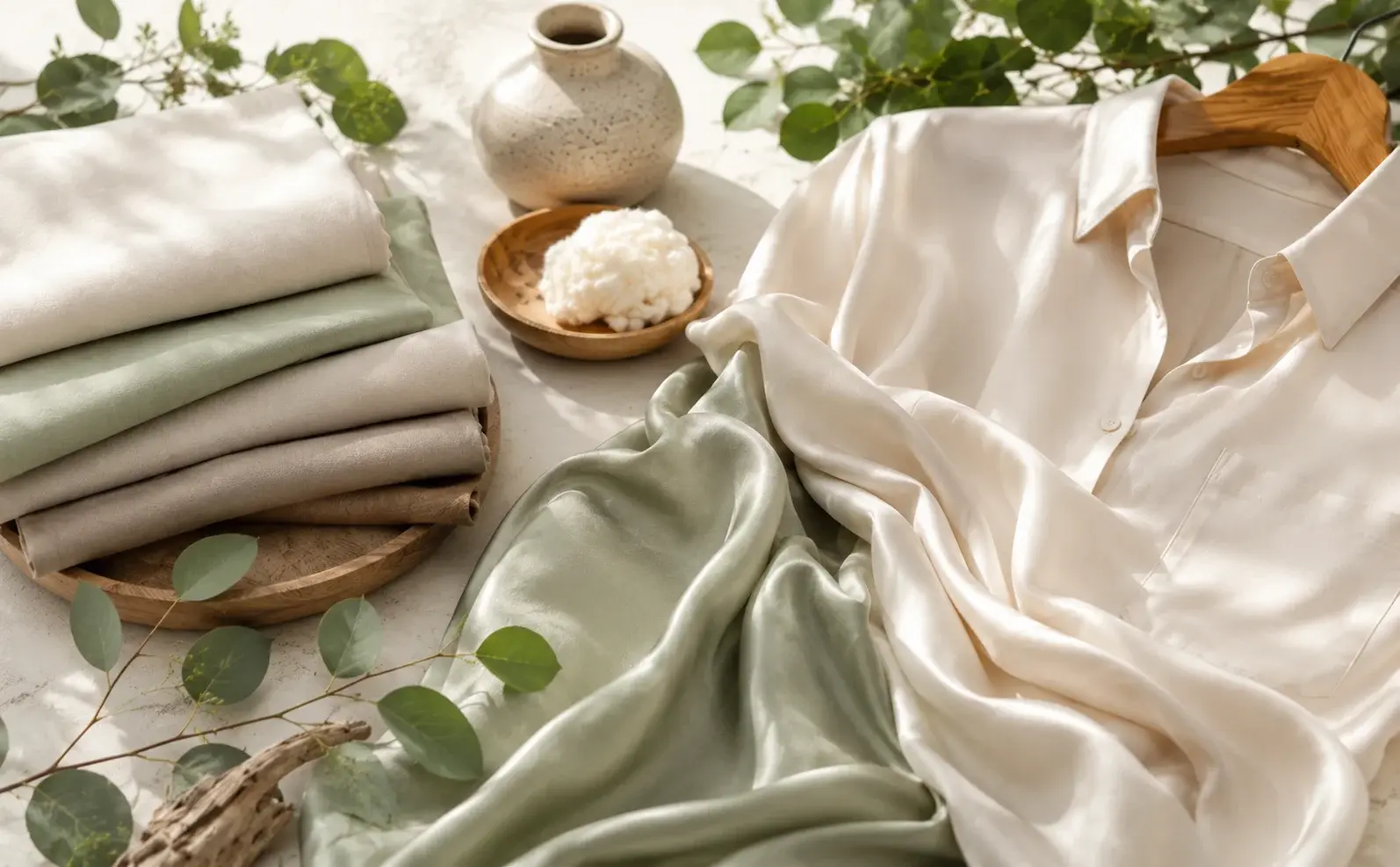
Tencel fabric is one of the popular sustainable materials. It is created using eco-friendly production methods. This fabric is significant in terms of properties and advantages. However, it also has some disadvantages. For clothing brands that look for wood-based regenerated cellulosic fibers with certified biodegradability and lower impact on the environment, Tencel is what they should consider as a wise option.
This blog will answer these questions: What is Tencel fabric? What is it made of? What is it used for? What are its pros and cons?. It covers the maximum information and significance of Tencel fabric to help you and clothing brands out there.
What Is Tencel Material: Fabric Explained
TENCEL™ is a brand covering specific fibers, which can subsequently be made into fabrics. It is also a brand name used for lyocell fabric and modal fibers, which can be processed into different types of fabrics. Lyocell is a variant of rayon fabric. Tencel lyocell fibers have outstanding properties of durability, absorbency, softness and more.
Clothing manufacturers blend lyocell with other materials in order to give it a fine appearance and texture. Due to the fabric blends, it becomes easy to dye it and print on it, which results in the eye-catching vibrant colors. Tencel lyocell uses a resource-efficient production process, lowering the environmental impacts compared with conventional lyocell.
Origin of Tencel Fabric
An Austrian company, Lenzing AG, developed and commercialized TENCEL™, which is the premium brand of wood-based cellulosic fibers. The company was renowned for its contributions and innovations in the eco-friendly textile industry. The fabric is made of the cellulose fibers of the harvested wood of different trees, including spruce, beech, and eucalyptus.
Lyocell was created as a regenerated cellulosic fiber in the late 20th century. Lenzing developed and commercialized its own lyocell technology afterwards under the brand TENCEL™. The company incorporated a closed-loop process to produce lyocell, which recovered more than 99.8% of the solvent used in production.
What Is Tencel Fabric Made Of?
Tencel fabric is created from the wood pulp that is harvested sustainably from the different trees, including spruce, eucalyptus, and beech. Here is a step-by-step process to make Tencel material.
- Harvest wood.
- Break down the wood into cellulose pulp.
- Dissolve the pulp by using a non-toxic natural solvent.
- Pass the resulting solution through spinnerets to create fibers.
- Dry the fibers.
- Spin the fibers into yarns.
This way, you will create Tencel fabric. It will be soft, smooth moisture-wicking, and breathable.
Types of TENCEL™ Fibers
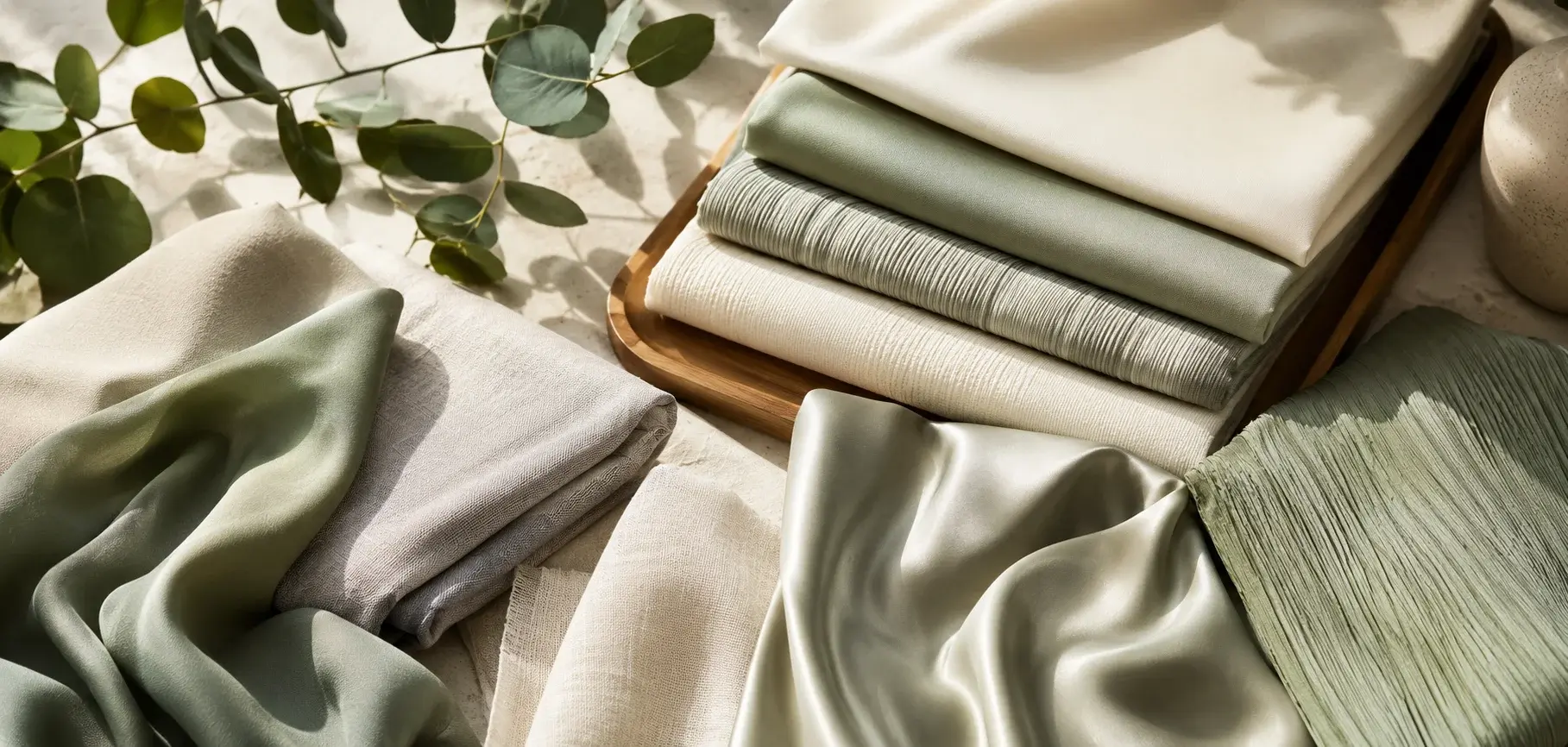
There are three types of Tencel material:
1. Tencel Lyocell
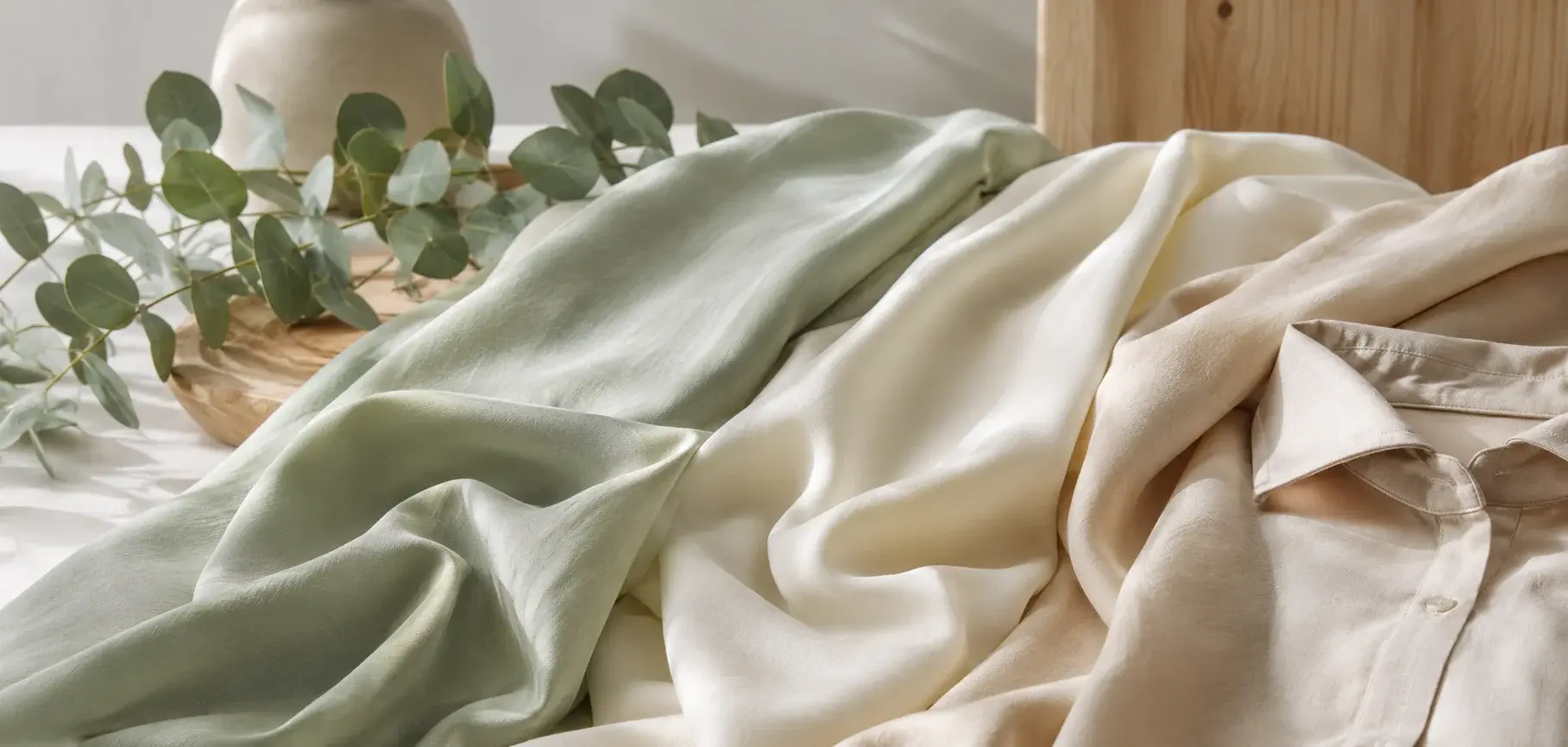
Tencel fabric is developed from the sustainably harvested wood pulp of a tree, often eucalyptus. It is created using the closed-loop manufacturing process. It is the most commonly used type of Tencel. It is soft, smooth, durable, breathable, biodegradable, and moisture-wicking. It is widely used in making activewear, underwear, casual wear, and household items like bedsheets.
2. Tencel Modal
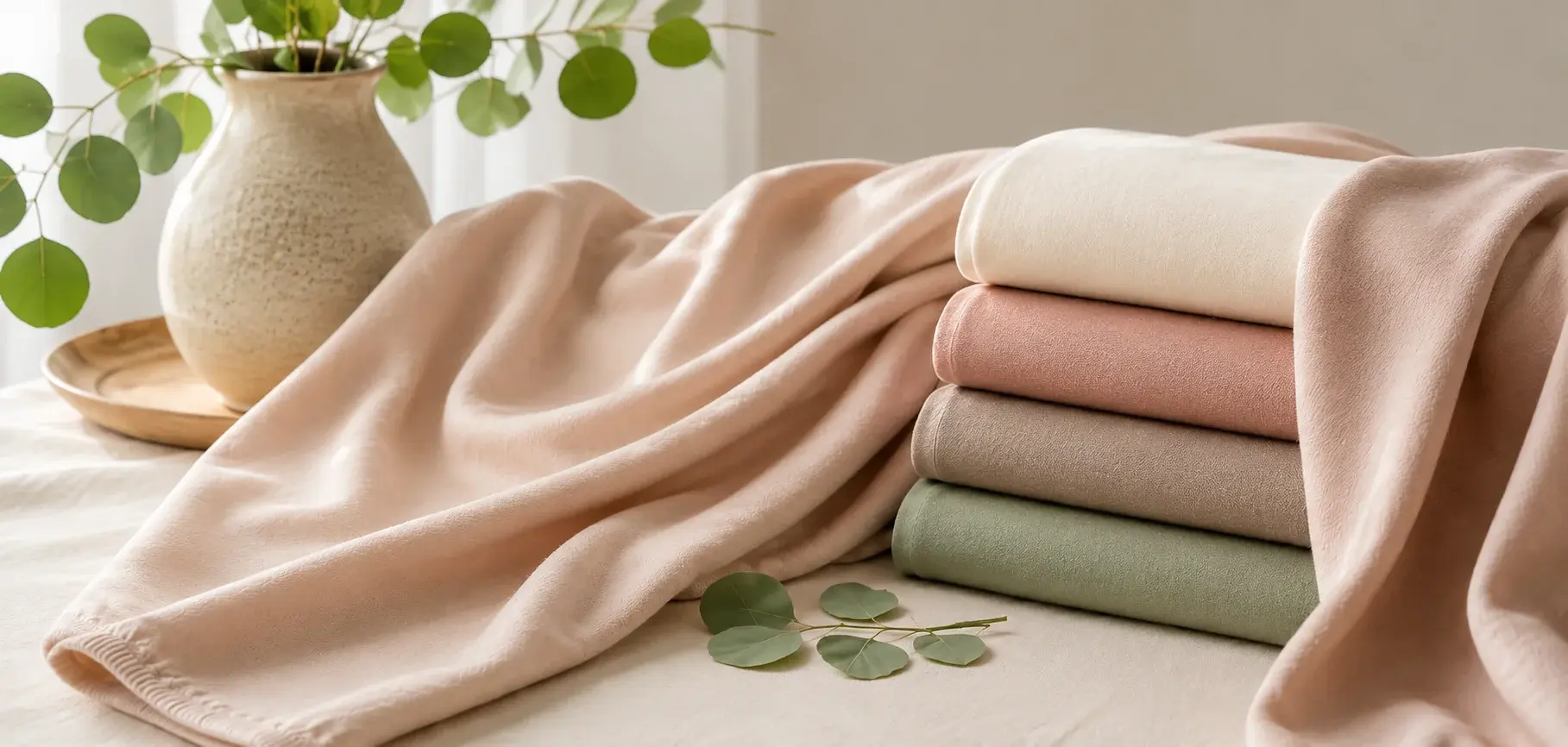
Tencel modal is also developed from the sustainably sourced beechwood. However, its production process is different from Tencel Lyocell. Modal is more stretchy and silky. It is incredibly soft and comfortable. It has high color retention. It is used to make t-shirts, pajamas, undergarments, and loungewear.
3.TENCEL™ Lyocell Filament
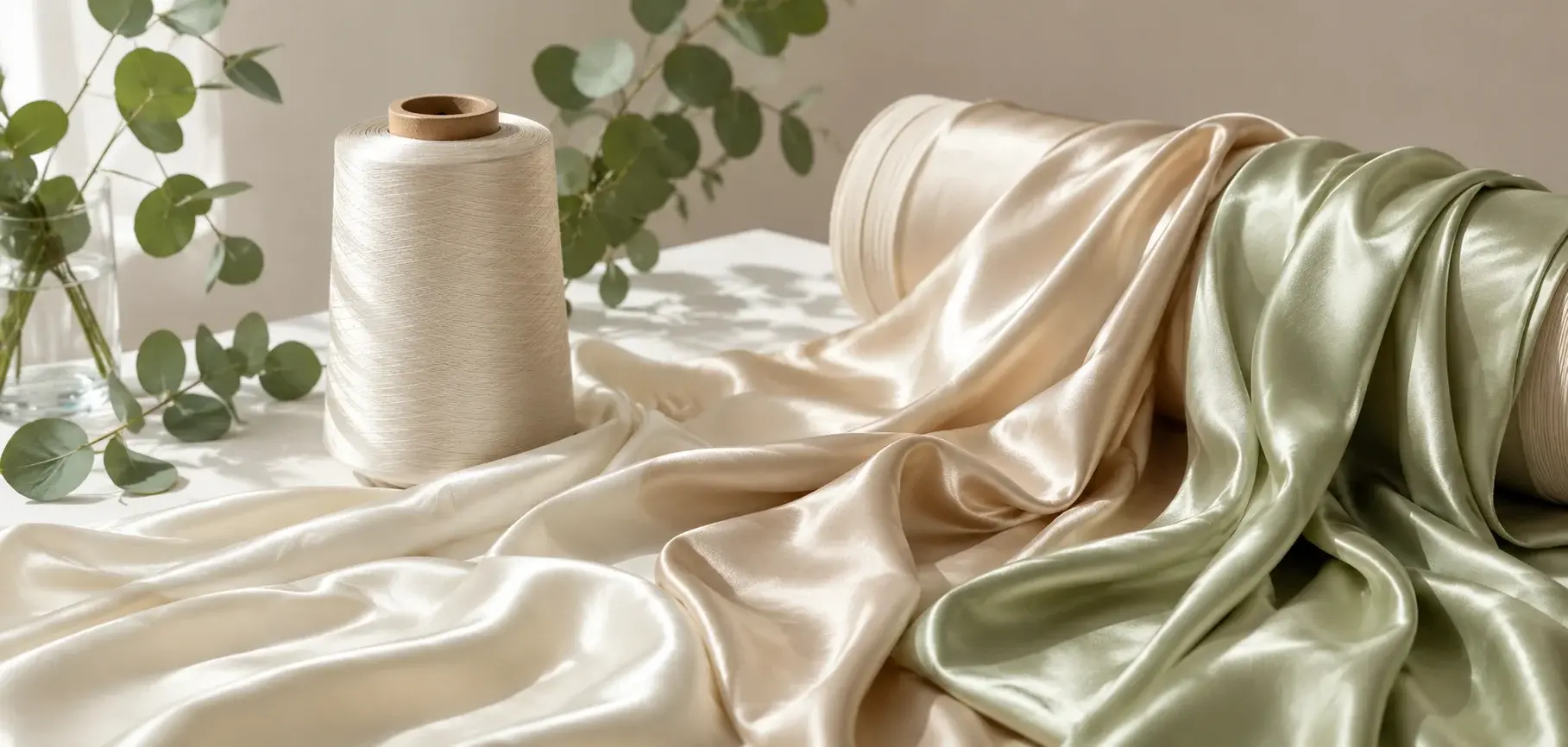
TENCEL™ Lyocell Filament is a continuous-filament form of TENCEL™ Lyocell. The continuous filaments are long, uninterrupted fibers that can be transformed into filament yarns. This develops lightweight, smooth, soft, and sleek-looking materials. It is used in various garments such as activewear, lingerie, footwear, and accessories.
Comparison: TENCEL™ vs. Modal
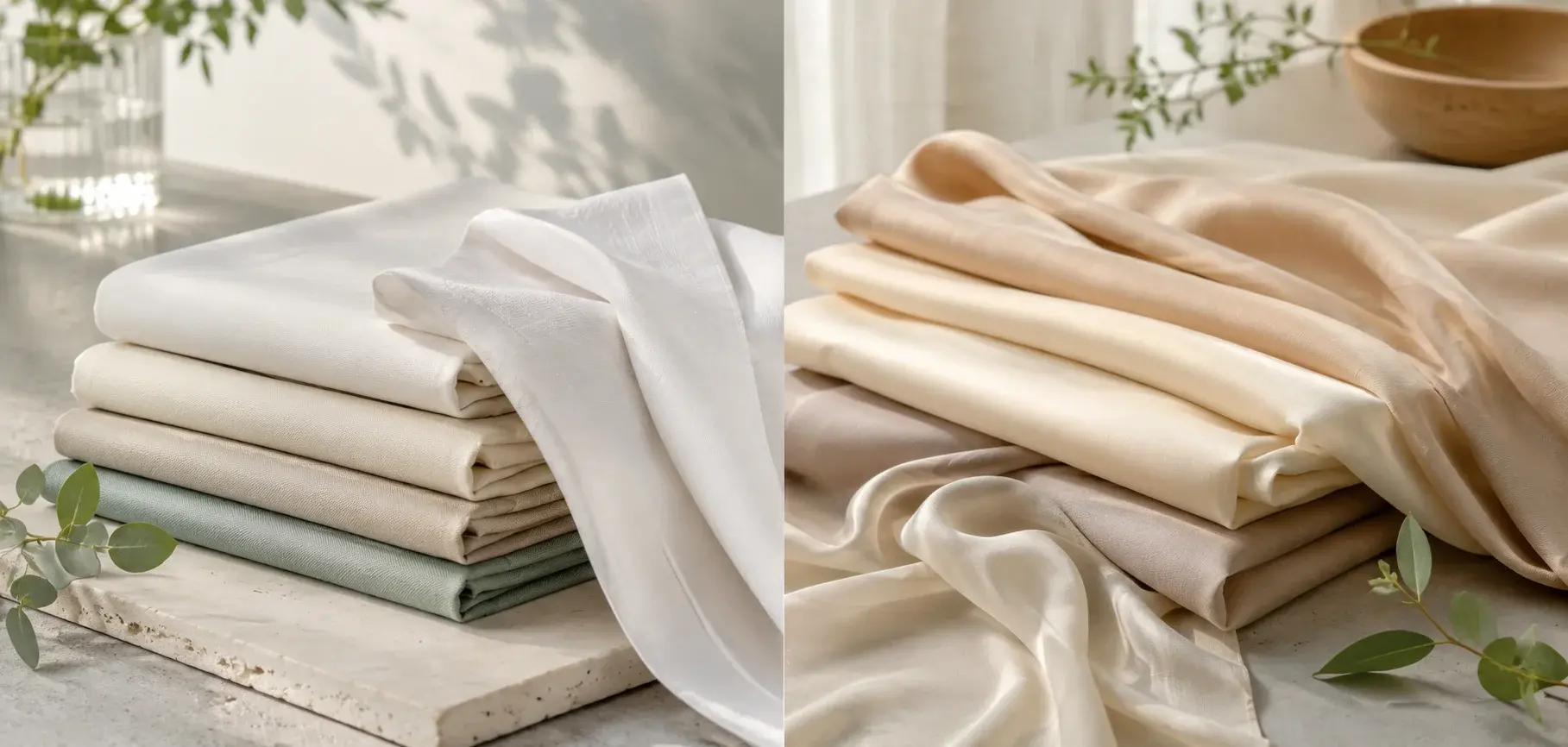
| Feature | TENCEL™ Lyocell | TENCEL™ Modal |
| Raw material | Wood | Wood |
| Properties | Strength, softness, moisture management | Exceptional softness, color vibrancy |
| Production | Closed-loop lyocell process | Resource-efficient modal process |
| Applications | Apparel, activewear, denim, intimates, home textiles | Underwear, loungewear, T-shirts, intimate apparel |
| Stretch | Limited inherent stretch | Limited inherent stretch |
Is Tencel Breathable
Yes, Tencel is naturally breathable and offers ideal moisture-wicking. Its fibers allow it to absorb moisture and pass the air perfectly, which results in keeping the skin cool and dry.
What Is Tencel Fabric Used For
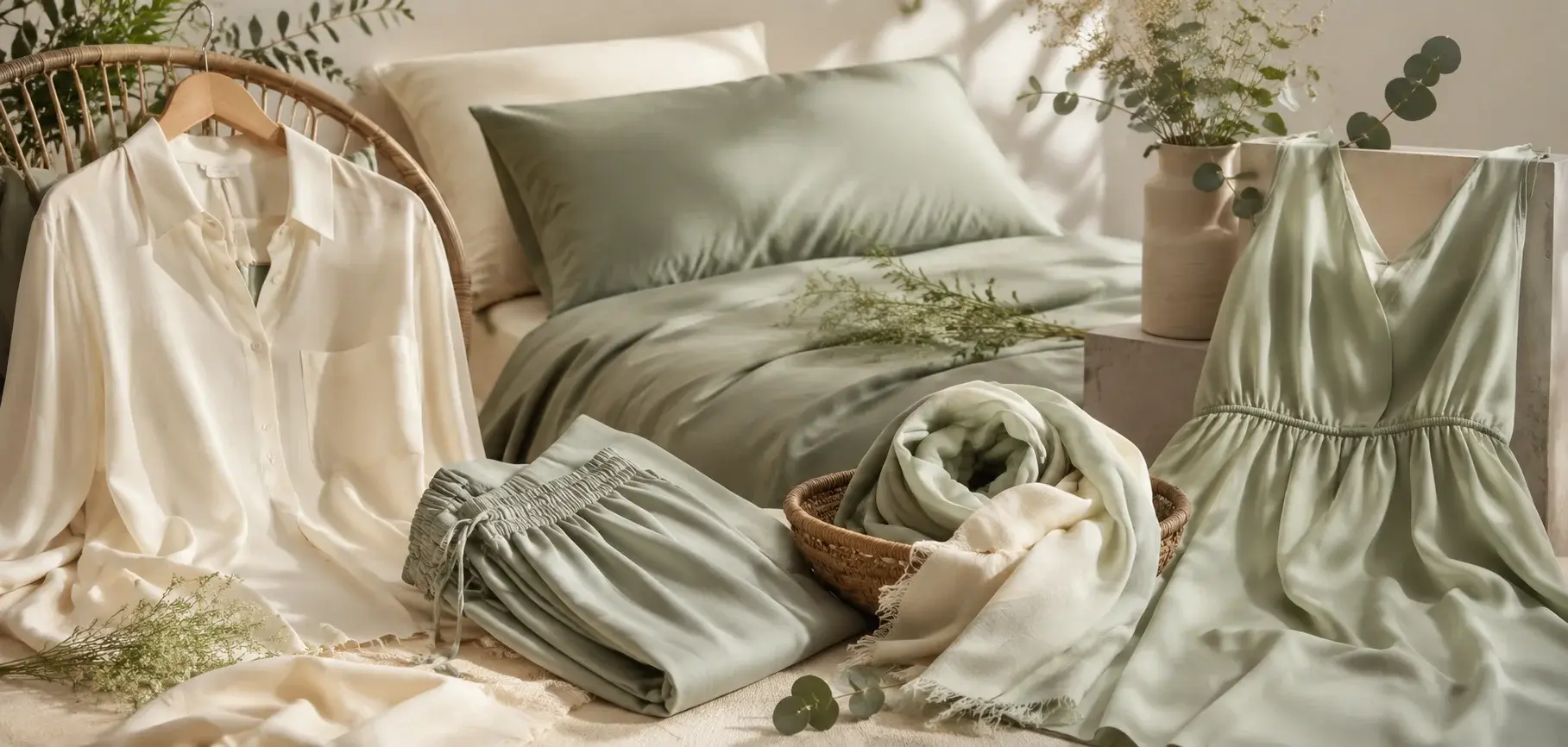
Tencel fabric is versatile in terms of its uses in multiple applications. Here is a list of its uses:
- High-end fashion apparel, including t-shirts, dresses, shirts, blouses, jeans, pants, and undergarments.
- Activewear products such as gym clothing and sports apparel.
- Bedding and home textiles like bedsheets, pillowcases, mattress covers, and duvet covers.
- Baby products such as clothes, blankets, and swaddles.
What Are the Advantages of Tencel Fabric?
There are some promising benefits of Tencel:
- It is highly comfortable due to its soft texture.
- Its temperature regulation helps prevent unwanted sweats.
- It is durable and less prone to pilling.
- It is breathable, as it allows air to pass through.
- Its moisture-wicking keeps you cool and dry.
- It is easy to care for, as it is machine-washable, but follow the care instructions on the product’s label just to be on the safe side.
What Are the Disadvantages of Tencel Fabric?
Tencel comes with some disadvantages. Here are the cons:
- Tencel is an expensive fabric. It costs more than conventional fabrics like cotton or polyester due to its sustainable production process.
- TENCEL fabrics can wrinkle, specifically in lightweight woven constructions.
- It has an absorbent nature that can make some TENCEL™ fabrics more susceptible to visible liquid or oil stains, depending on the fabric construction and finish.
Conclusion
Tencel fabric is one of the most sustainable textiles. It is actually a brand name for lyocell fabric, which is a type of rayon fabric. This material is used in producing many clothing products, including fashion apparel, baby clothes, and other household essentials like bedsheets and pillowcases.
Moreover, Tencel has two types, lyocell and modal, that are created using sustainable production methods. It has certain advantages and disadvantages that are mentioned in the above section of the blog.
FAQs
Is Tencel fabric good for summer
Yes, Tencel is a good material for summer since it is breathable and moisture-wicking.
Is Tencel fabric stretchy
Tencel can be stretchy, depending on the construction and blending with materials like spandex or polyester. The stretch of a finished TENCEL™ fabric depends heavily on:
- elastane content
- fiber type
- blend
- knit vs. woven construction
- fabric structure
What is Tencel fabric feel like
Tencel feels gentle on skin due to its soft and smooth texture.
Is Tencel fabric expensive
Tencel’s eco-friendly production and less availability make it an expensive fabric.
What is the difference between Tencel and cotton?
Tencel features a softer texture and more breathability than cotton. On the other hand, cotton is a more durable and easily available fabric than Tencel.
What is TENCEL™ made from?
It is made from wood-derived cellulose, with TENCEL™ covering Lenzing’s lyocell and modal fibers.
Is TENCEL™ the same as lyocell?
No, TENCEL is not the same as lyocell. Lyocell is the generic fiber category, while TENCEL™ is Lenzing’s registered brand.
Is TENCEL™ biodegradable?
The company “Lenzing” states its TENCEL™ Lyocell and Modal fibers have certifications for biodegradability in various environments.
Is TENCEL™ better than cotton?
The word “better” can’t be used for any fabric. It depends on the uses and fabric preferences.
Is TENCEL™ good for activewear?
Yes, due to moisture control and ventilation, it is suitable for activewear products.